








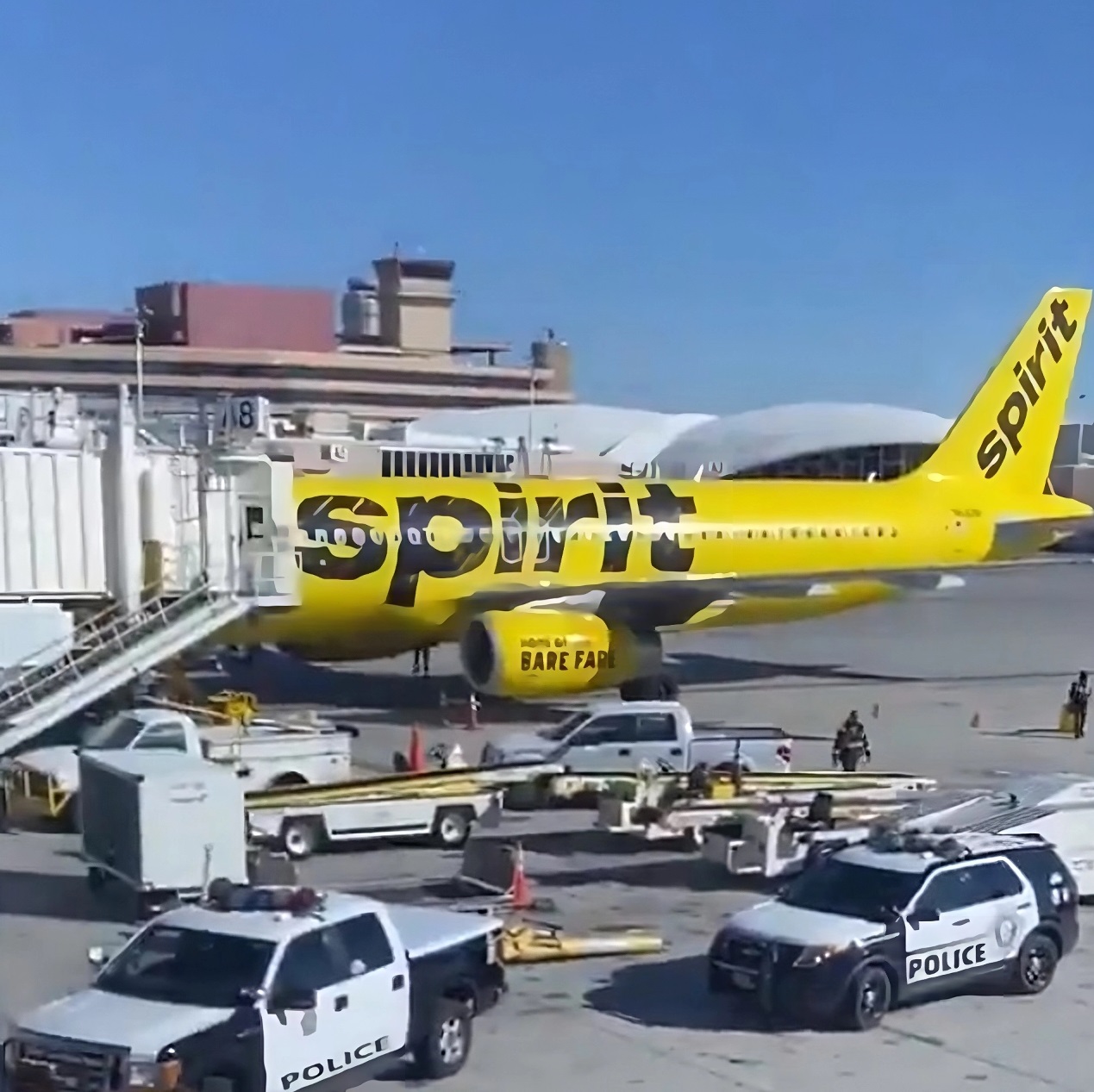
Spirit Airlines Is Giving Back Half Its Fleet—Prepares To Go To War With Delta And United
Spirit Airlines has revealed its post-bankrutpy strategy to return to profitability, without actually writing it down or telling investors. They’re telegraphing exactly how they intend to compete in the future by laying out which planes they’re looking to give up as part of the bankruptcy process – and which ones they’ll keep.
- Spirit Airlines is looking to reject 87 aircraft leases in bankruptcy court, shrinking its fleet by 41%.
- All the A320neos would be gone, and a majority of the remaining fleet would be Airbus A321s.
This is striking – they’re keeping their largest planes. That means the Spirit Airlines post-bankruptcy strategy would be going after large markets, i.e. directly competing with major carriers in and out of hubs, rather than bypassing competition flying niche routes without non-stop competition.
Spirit Airlines operates an all-Airbus fleet of A320-family jets, with no widebodies or regional aircraft. Its mainline fleet included approximately 214 aircraft:
- Spirit phased out its smaller Airbus A319s already as part of its cost-cutting
- That left them with Airbus A320 and A321s: about 50 Airbus A320ceo (A320-200), about 90 A320neo, around 22 A321ceo (A321-200), and 32 A321neo heading into bankruptcy.
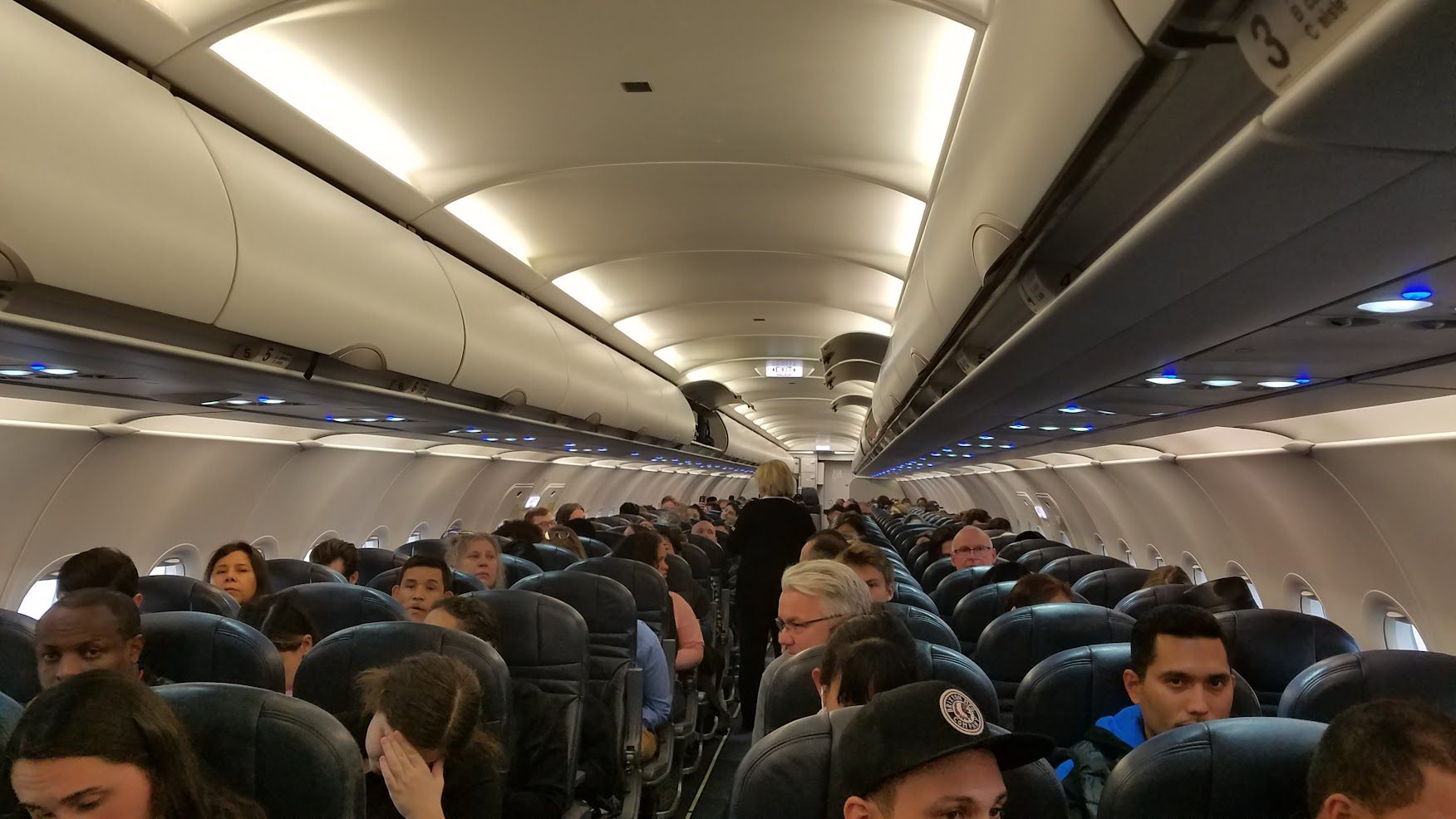

Spirit is moving to dramatically shrink its fleet by almost half. On Friday, Spirit’s CFO announced plans to eliminate about 100 aircraft to cut costs. The airline filed a motion seeking court approval to reject 87 aircraft leases and also reached a tentative deal with lessor AerCap to return 27 jets. This will leave Spirit with about 100 planes.
- 43 A320ceos
- 29 A321ceos
- 29 A321neos
That’s 58 Airbus A321s and 43 Airbus A320s. They’ve eliminated their smallest jets and the largest ones will comprise a majority of the fleet.
Enilria says that while they report many of the planes they’re rejecting are ones grounded due to engine issues, that they’ve swapped engines on aircraft and that suggests these are still the planes they want to part with (not just the ones they’re stuck parting with).
They’re dropping nine figures in annual expense, but losing associated revenue. They’re renegotiating union contracts – perhaps pilots will prefer lower pay to starting over stapled to the bottom of another airline’s seniority list. So there are cost savings to be had.
A WILD brawl broke out at a #SpiritAirlines check-in counter in Baltimore… and it was all caught on video! pic.twitter.com/vrrOlfEWdF
— TMZ (@TMZ) May 31, 2024
The airline has aggressively pulled back flying already, dropping 13 cities from Boise to Minneapolis, and has pulled out of about 40 routes. According to Cirium schedule data, Spirit’s published November 2025 schedule is down nearly 19% in flights and 16% in seats compared to the same period in 2024. However this cut to the fleet will mean even deeper schedule cuts. The motion to reject 87 aircraft leases could get approval by the end of the month. Then we’ll see what schedule impact this actually has.
Here’s the thing. Spirit, and to a lesser extent Frontier, haven’t done well post-pandemic competing against legacy airlines.
- When Spirit and Frontier were the most profitable airlines in the country, they were undercutting the major carriers on price and those airlines were afraid to match.
- United, Delta and American were afraid to lower their fares, because the people they’d be selling to would just get their flights cheaper instead of picking up only Spirit’s passengers to fill seats.
- But now that the major airlines have cheapened their product and made the experience worse for those paying the lowest fares (basic economy), they’re willing to use those fares to match Spirit and Frontier prices – without worrying that their higher fare paying customers will get the same seats cheaeper.
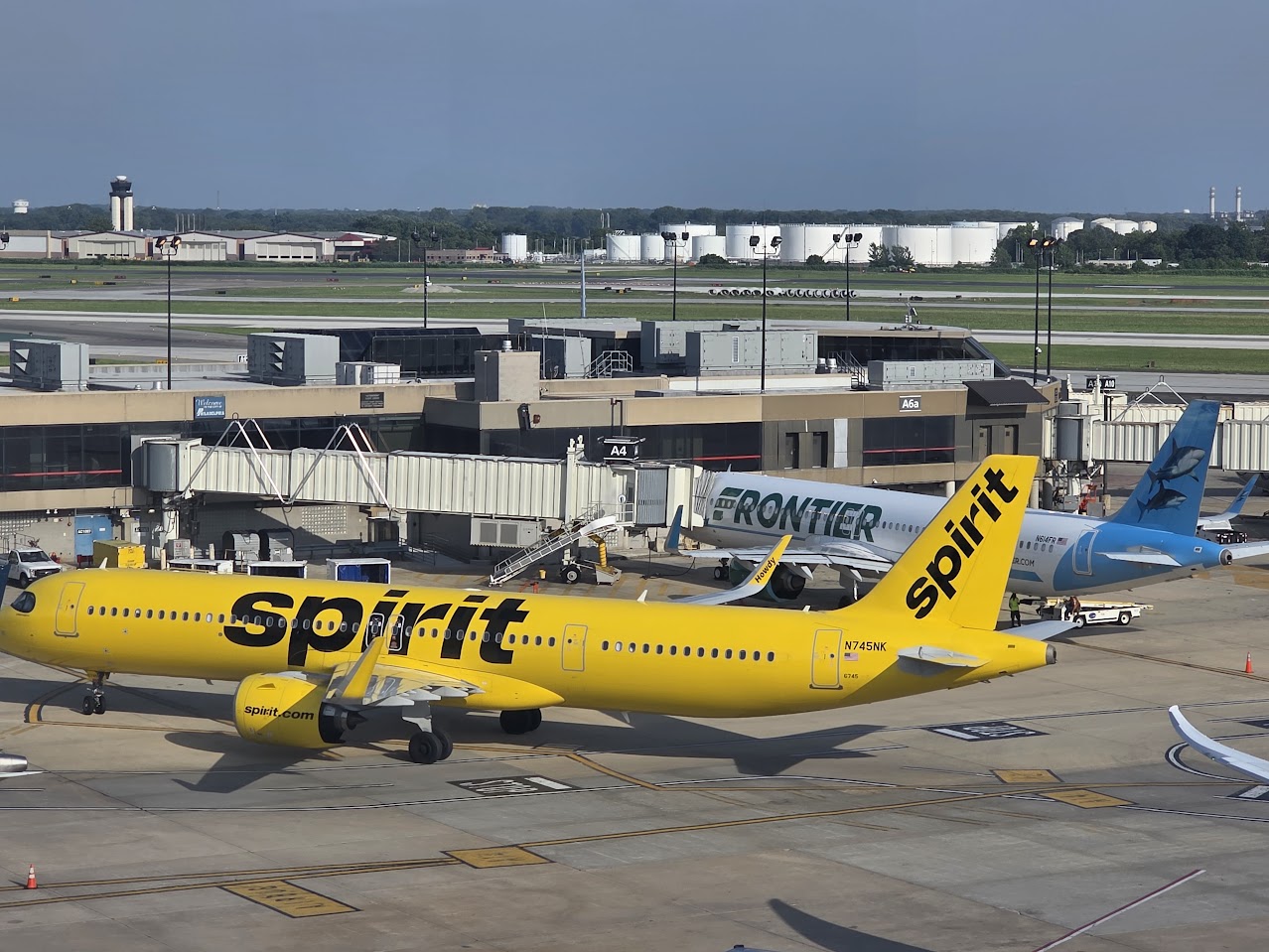

The bet that United and others make is that at the same price, passengers will choose them rather than the ultra-low cost carriers. United offers seat back entertainment screens and they’re introducing free Starlink wifi. Frontier and Spirit offer even less legroom. “Pre-reclined” seats aren’t popular.
Spirit lost its focus and cost discipline. They opened an expensive, massive corporate campus. Frontier remained more disciplined in approach and is doing better than Spirit. But consumer preferences have shifted over time to more premium products, and to more far flung destinations that Frontier and Spirit don’t serve (and they don’t have partners that they can sell).
Now Spirit has telegraphed that it believes they can go head to head with the major carriers. While some – like United’s Scott Kirby – think Spirit can’t win against them, they still produce seats at lower cost. And while United can fill planes by dropping price, it’s not a given that they will do that .. rather than reducing their own schedule to avoid money-losing flights.