Burnout among SME founders rarely looks the way people expect.
There is no dramatic collapse. No public breakdown. No sudden decision to quit.
Instead, it arrives quietly.
The founder keeps working. Keeps showing up. Keeps solving problems. From the outside, everything appears fine. From the inside, something has fundamentally shifted.
The business no longer energises them. It drains them.
This is the burnout few people talk about, and the one most dangerous to ignore.
Why Founder Burnout Goes Unnoticed
SME founders are conditioned to cope.
They are problem-solvers by nature. They are used to pressure, uncertainty, and long hours. Because of this, burnout does not feel like a crisis. It feels like normality slowly becoming unbearable.
Many founders tell themselves:
“This is just a tough phase.”
“Everyone feels like this.”
“It will get better once the next deal lands.”
Months pass. Sometimes years.
The founder adapts to exhaustion instead of addressing it.
The Difference Between Stress and Burnout
Stress is temporary. Burnout is cumulative.
Stress comes from workload. Burnout comes from feeling trapped with no clear exit.
Founders experiencing burnout often notice:
A constant mental fog
Reduced patience
Avoidance of decisions
Loss of curiosity
Emotional detachment from the business
They still function, but at a cost.
What makes this dangerous is that the business often depends entirely on them. As the founder deteriorates, so does the organisation.
Why SMEs Are Particularly Vulnerable
In large organisations, responsibility is spread. In SMEs, it concentrates at the top.
The founder is often:
The final decision-maker
The cash flow manager
The relationship holder
The risk absorber
The emotional buffer
This concentration of responsibility becomes unsustainable over time, especially when the business is under financial or operational pressure.
Unlike employees, founders cannot switch off or walk away. Their identity and livelihood are tied to the company.
The Guilt That Keeps Founders Stuck
One of the most powerful forces sustaining burnout is guilt.
Founders feel responsible for:
Staff livelihoods
Customer commitments
Supplier relationships
Family expectations
They worry that stepping back, selling, or even admitting exhaustion would let people down.
Ironically, this sense of responsibility often causes more damage in the long run. A burned-out founder cannot lead effectively, no matter how good their intentions.
Why Burnout Is a Financial Issue, Not Just a Personal One
Burnout is often treated as a wellbeing issue. In SMEs, it is also a financial one.
Burned-out founders delay decisions. They avoid difficult conversations. They tolerate underperformance longer than they should.
Over time, this erodes value.
Margins slip.
Cash flow tightens.
Risk accumulates quietly.
What feels like emotional fatigue is often the early warning sign of commercial decline.
The Founder Blind Spot
Founders experiencing burnout often believe they must fix themselves before fixing the business.
In reality, it is usually the opposite.
The structure of the business is creating the burnout.
Excessive reliance on the founder
Poor financial visibility
Lack of strategic options
No clear exit pathway
Addressing these structural issues often alleviates burnout faster than any personal intervention.
Where Experienced Financial Perspective Helps
This is where external, experienced perspective becomes essential.
A seasoned fractional CFO does not just review numbers. They observe patterns of behaviour, decision-making, and risk.
They ask questions founders avoid asking themselves:
Is this business still serving you?
Is the pressure structural or temporary?
What happens if nothing changes?
What options exist beyond continuing as-is?
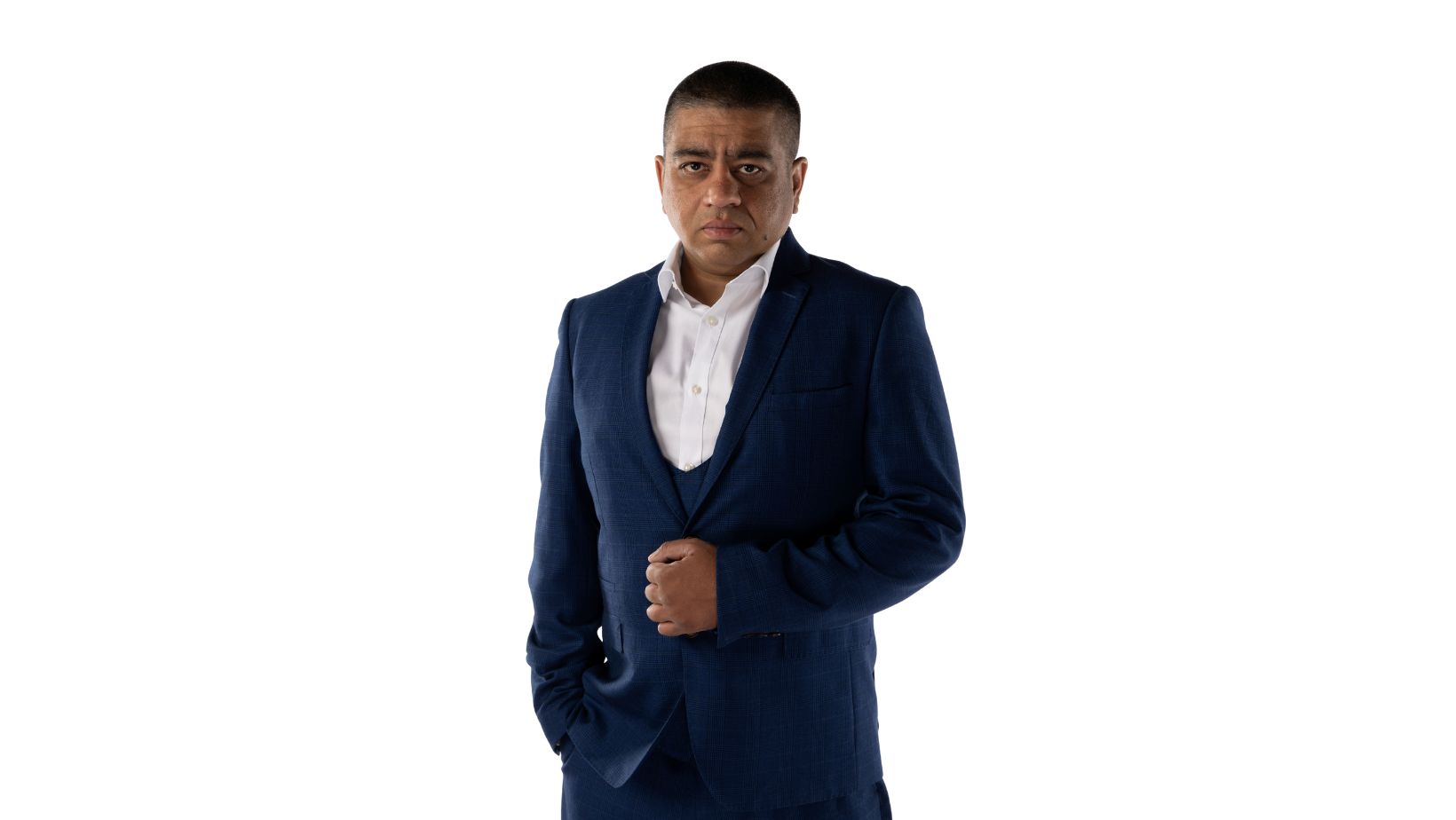
As Imran Hussain Fractional CFO, this work has involved supporting distressed SMEs since 2001, helping owners regain clarity since 2016, and more recently investing in and acquiring struggling businesses across the UK, USA, and Europe.
That combination matters when burnout is present.
Why Burned-Out Founders Make Poor Exit Decisions
When founders finally act from burnout, they often do so under pressure.
They sell too late.
They accept unfavourable terms.
They shut down unnecessarily.
They walk away with regret.
The issue is not that they exit, but that they exit without clarity.
Early recognition of burnout preserves choice. Late recognition removes it.
Burnout Is Often a Signal to Change the Relationship With the Business
Burnout does not always mean the business must be sold. Sometimes it means the founder’s role must change.
Possible outcomes include:
Restructuring leadership
Reducing operational involvement
Bringing in financial oversight
Preparing for a future sale
Transitioning ownership
What matters is intentional change.
Continuing out of habit is rarely the right answer.
The Relief That Comes With Clarity
Founders who finally confront burnout often describe the same experience, relief.
Not because everything is solved immediately, but because the fog lifts. They understand where they stand. They know what options exist.
They stop feeling alone inside the business.
This clarity often restores energy, even before any major decision is made.
Conclusion
The silent burnout of SME founders is not a weakness. It is a predictable outcome of prolonged pressure without structural support.
Ignoring it does not make it go away. It simply increases the cost of change later.
Whether the right answer is restructuring, exit, or sale, the first step is honest assessment.
That assessment requires experience, objectivity, and the ability to separate emotion from evidence.
More about this work can be found at
👉 http://www.imranhussain.com
Burnout is not the end of the story.
It is often the moment where a better one can begin.