Introduction:
Indian manufacturing companies have started gaining recognition worldwide. They are creating many jobs and driving the growth of the country’s economy and technology. These companies use modern technology, pay close attention to environmental care, and manufacture products people need every day. With push from the government and the vision to “Make in India,” the country is becoming a global production hub. In this article, we will discuss the top 10 manufacturing companies that lead the way in 2025 to build a better India.
Here is a look at the major players that define India’s industrial strength.
| Company Name | Founding Year | Headquarters |
| Reliance Industries Limited | 1966 | Mumbai |
| Tata Motors Limited | 1945 | Mumbai |
| Mahindra & Mahindra Ltd. | 1945 | Mumbai |
| Larsen & Toubro | 1938 | Mumbai |
| Bajaj Auto Limited | 1945 | Pune |
| Maruti Suzuki India Limited | 1981 | New Delhi |
| Hindustan Unilever Limited | 1931 | Mumbai |
| ITC Limited | 1910 | Kolkata |
| Tata Steel Limited | 1907 | Mumbai |
| UltraTech Cement Limited | 1983 | Mumbai |
Reliance Industries Limited
Founders: Dhirubhai Ambani
Employees: Over 340,000
Initially, RIL was a small clothing store that soon grew into a huge conglomerate. It produces almost everything from fuels to fabrics. The company’s main strength is its giant oil refineries and factories. Here, it turns crude oil into fuel, plastic, and the materials that are used everywhere.
The manufacturing firm is also a leader in retail and digital services, Jio. Its factories run 24/7 and give work to lakhs of Indian people. RIL has a huge network to send goods to other countries. The company wants to sustain the future by manufacturing clean energy and reusing waste.
Key features:
- Operates the largest single-site oil refining complex globally.
- Offers internet plans that reach even small towns.
Tata Motors Limited
Founders: J. R. D. Tata
Employees: Over 60,000
Tata Group’s subsidiary, Tata Motors, is an international automotive company. Tata Motors produces trucks, cars and green buses. The company also owns the world’s renowned luxury car brand, Jaguar Land Rover. It began by building trains and now leads India’s switch to electric vehicles. The manufacturing firm is using new technology and further innovates; however, the production does not hurt the environment.
Key features:
- A market leader in the rapidly growing electric vehicle segment in India.
- One of India’s first fully indigenous passenger cars.
Mahindra & Mahindra Ltd
Founders: J. C. Mahindra, K. C. Mahindra, Malik Ghulam Muhammad
Employees: Over 320,000
M&M is famous for its tough utility vehicles like the Scorpio. Mahindra is also the world’s largest manufacturer of tractors by volume. It is often called the friends of farmers. It plays an important role in Indian agriculture. The company represents Indian engineering strength, focusing on robust design and utility. Mahindra now makes electric SUVs that need no petrol.
Key features:
- A market leader in the Indian SUV and utility vehicle segment.
- Focus on Electric Vehicle Technology and Smart Farming.
Larsen & Toubro
Founders: Henning Holck-Larsen, Soren Kristian Toubro
Employees: 400,000+
L&T is best known for heavy engineering, construction, and manufacturing. It began as a business that repaired equipment, but it has since grown to build the country’s most important infrastructure and national assets. It manufactures everything from metro lines and expressways to defense equipment and power plants in India. L&T usually leads the most complex and large-scale industrial projects. They specialize in large-scale infrastructure and defense engineering projects.
Key features:
- Advanced BIM tools for precise designs and fewer construction errors
- L&T Group is involved in projects in more than 50 countries around the globe.
Bajaj Auto Limited
Founders: Jamnalal Bajaj
Employees: Over 5,000
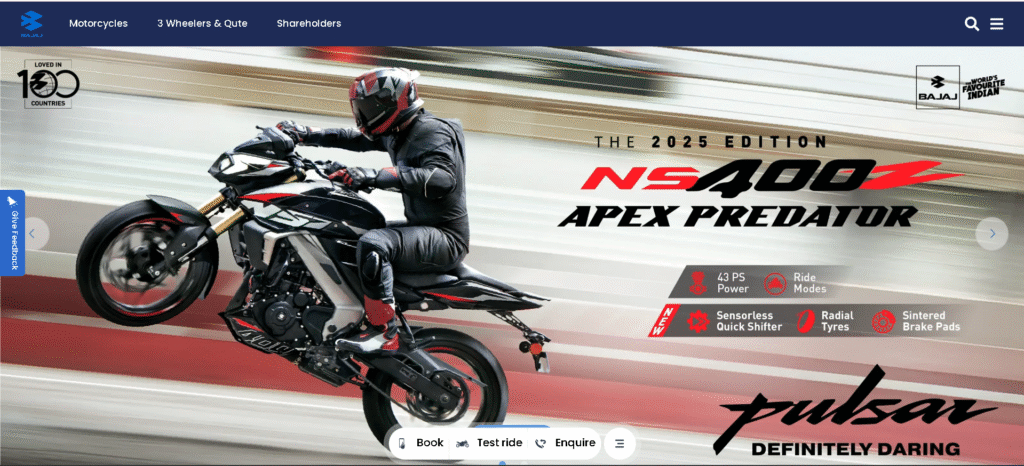
Bajaj Auto is one of the world’s largest manufacturers of motorcycles and three-wheelers. This company manufactures affordable and dependable transport. They offer many popular brands like Pulsar and Chetak. Bajaj Auro Ltd is a major global exporter, selling its vehicles in more than 70 countries. They also introduced new models that use less fuel and make less noise.
Key features:
- A major global exporter of motorized vehicles.
- Leading the shift toward electric three-wheelers through Bajaj RE.
Maruti Suzuki India Limited
Founders: Government of India with Suzuki Motor Corporation
Employees: Over 19,000
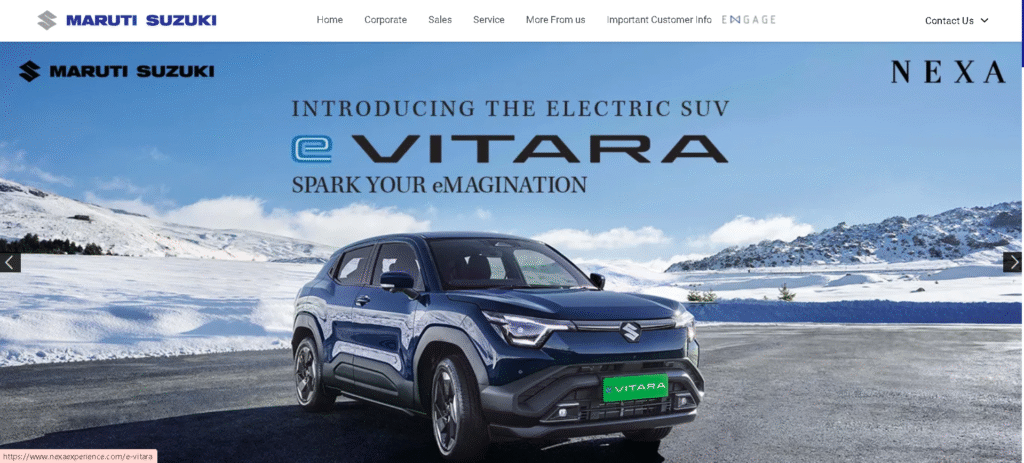
Maruti Suzuki is one of the most loved companies in the Indian car market. It is known for bringing small cars to every Indian home with the Maruti 800. The company’s focus remains on building affordable, fuel-efficient, and reliable family vehicles. It has the largest market share in passenger vehicles with an unmatched sales and service network. Its cars use less petrol and last longer.
Key features:
- Manufacturer of affordable, fuel-efficient cars in India.
- Operates an extensive sales and service network across the country with quick service in 4,000+ workshops.
Hindustan Unilever Limited
Founders: Lever Brothers, Hindustan Vanaspati, and United Traders
Employees: Over 18,000
HUL is the FMCG company with the most prominent share in India. It is India’s largest FMCG company. It produces and sells products that millions of people use daily, including soap, shampoo, detergents, and food products. HUL has a variety of trusted brands and the broadest and deepest distribution network in India.
HUL is known for buying directly from small farmers and using paper for plastic packaging, using clean gas for delivery trucks, and reusing each drop of water in the factory. HUL keeps a close eye on sustainability and creates social impact through community initiatives.
Key features:
- Wide distribution network reaching even the most remote villages in India.
- Home to many of the most trusted and iconic Indian consumer brands, like Lux.
ITC Limited
Founders: William M. Jacks
Employees: Over 22,000
ITC was historically linked to tobacco, but it has grown rapidly into a major force in FMCG, packaging, and hotels. It is also a massive player in the agricultural sector. The company links Indian farmers to both domestic and international markets. ITC helps farmers grow better crops by giving them phone tips.
Key features:
- Exporter of agri-products, supporting Indian agriculture.
- The only company in the world to be carbon, water, and solid waste recycling-positive for several years.
Tata Steel Limited
Founders: Jamsetji Tata, Dorabji Tata
Employees: Over 75,000
Tata Steel is recognized as a top world company specializing in steel products and India’s oldest industrial firm. The manufacturing company is a leading supplier of steel to several sectors, including construction, railways, and automobiles. The Tata company produces fresh steel out of used cans and auto parts.
Key features:
- Operates one of the world’s most modern and integrated steel plants.
- Focus on sustainable and green steel manufacturing processes.
UltraTech Cement Limited
Founders: Aditya Birla Group
Employees: Over 28,000
UltraTech Cement is the largest manufacturer of cement in India and the second largest globally. UltraTech mixes sand and stone to make cement for homes and roads. It supplies the material needed for everything from housing and skyscrapers to highways and dams. It is a key player in India’s rapid infrastructure development.
Key features:
- Ultratech is a major supplier of both grey, white, and ready-mix concrete.
- Strong focus on sustainable building materials and reducing carbon footprint.
Conclusion:
Manufacturing companies turn raw materials into useful things. They create millions of jobs and offer sustainable solutions. These ten manufacturing companies represent the diversity and capability of the country’s manufacturing sector. As India grows, these firms will keep inventing, training, and building innovative products. In this article, we saw the top 10 manufacturing companies in India that are building India and driving its future economy.
FAQs:
Which is the biggest manufacturing company in India?
Reliance Industries is considered one of the largest manufacturing companies in India.
What products do Indian manufacturing companies make?
They make a wide range of products like cars, steel, chemicals, medicines, electronics, and textiles.
Why is the manufacturing sector important for India?
It creates jobs, boosts exports, and helps grow the country’s economy.
Which city is known as the manufacturing hub of India?
Pune, Chennai, and Ahmedabad are some of the major manufacturing hubs.
How does the government support manufacturing in India?
The government runs programs like “Make in India” to promote manufacturing and attract investments.
Are Indian manufacturing companies globally recognized?
Yes, many Indian companies like Tata, Mahindra, and Larsen & Toubro have a global presence.
What industries are growing fastest in manufacturing?
Automobile, electronics, pharmaceuticals, and renewable energy are among the fastest-growing sectors.
Can small businesses also join the manufacturing sector?
Yes, many small and medium enterprises (SMEs) contribute greatly to India’s manufacturing industry.
What challenges does the manufacturing sector face?
Some challenges include high competition, rising costs, and the need for advanced technology.
What is the future of manufacturing in India?
With digital innovation and government support, the future looks bright for India’s manufacturing growth.