Even before Obama was sworn in, though, other Democrats began staking their claim on health care reform. On the more liberal side was Massachusetts Senator Ted Kennedy, chair of the Committee on Health, Education, Labor, and Pensions, who included a public option in his committee’s proposal. “If you like the insurance you have today, you can keep it. If you don’t like what you have today, we’ll give you better choices, including a public option for health care,” Connecticut Senator Chris Dodd, who was also on the committee, said at the time. On the more conservative side, Montana Senator Max Baucus, chair of the Finance Committee, did not include a public option in his plan but did propose a more modest Medicaid buy-in for people age 55 to 64.
A public option might have had the effect of reducing premium costs, especially in the beginning. That’s because the government would have had the power to negotiate much lower payments to hospitals and doctors because they would insure so many patients and be such a big player. That is how Medicare and other public insurance programs cut costs now. But competing with a private option may also have led insurers to reduce premiums in the beginning too.
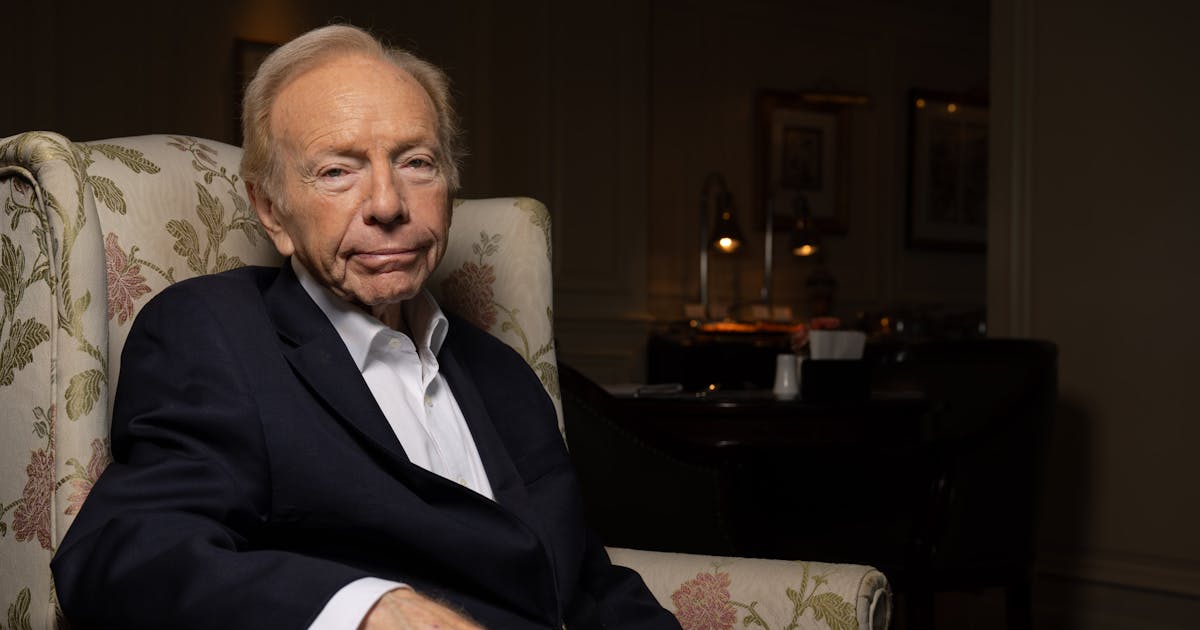
After a year of wrangling in the two committees and the whole Senate, the public option had a few deaths and resurrections. Obama championed it, and the Democrats had a 60-seat majority in the Senate. But that majority included Connecticut Senator Joe Lieberman, who caucused with the Democrats but was a more centrist independent, and he threatened to filibuster with Republicans if the bill contained a public option. It was struck from the final bill.