








Over the past decade, India has evolved from a sizeable digital market to a rising global technological powerhouse. In the past, India was considered a sizable market for digital services and internet-based platforms. Through indigenous innovation, startup ecosystems, developing technological skills, and digital public infrastructure (DPI), the nation is rapidly influencing global technology development today.
Long-term government investments have improved global credibility, increased technological capacity, and reinforced national capabilities. Mission-mode activities in Artificial Intelligence (AI), semiconductors, quantum technologies, supercomputing, cloud computing, and cybersecurity are creating a robust innovation environment. India is establishing itself as a dependable technology partner thanks to its dependable digital public infrastructure, inclusive digital governance, and expanding international relationships.
What is the Digital Economy?
India’s youthful, tech-savvy populace is vital to the country’s digital environment. There are more than 650 million smartphone users and more than 950 million internet users. While large investments are being made in AI, cloud computing, and blockchain technologies, this broad acceptance is propelling growth in industries including e-commerce, digital payments, and financial tech (fintech).
The government’s programmes, including Digital India, Skill India, and the National Digital Communication Policy (NDCP) of 2018, which all seek to develop strong digital infrastructure and increase broadband access nationwide, complement this digital expansion. India is driving innovation in semiconductors, electronics, and smartphones through the Production Linked Incentive (PLI) schemes and the National Data Governance Framework.
India’s distinctive public infrastructure, particularly the Unified Payments Interface (UPI), which has transformed real-time, inexpensive, and interoperable payments at scale, is driving the country’s digital transformation. As a result, American companies offering cloud services and digital banking solutions have significant export prospects. Concurrently, U.S. exports of digital health tools, medical gadgets, and secure data systems are made possible by the expansion of India’s fintech and health tech industries, which are fuelled by programs like Ayushman Bharat and the National Digital Health Mission.
History of Digital Transformation in India
Early beginnings
The liberalisation of the economy in the early 1990s, which promoted innovation and opened markets to international companies, marked the beginning of India’s digital transformation. During this time, the internet boom and the growth of the IT services industry signalled the beginning of a digital economy. Global IT hubs like Bangalore and Hyderabad attracted international companies and developed a tech-savvy workforce.
Initial E-Governance efforts
To give information technology top priority, the government established the Department of Electronics in the 1970s. To computerise district-level agencies, the District Information System (DIS) was introduced in 1977 by the National Informatics Center (NIC).
India’s e-governance infrastructure was further developed via NICNET, a national satellite-based network that was founded in 1987. An important turning point in digital governance occurred when Indian Railways computerised its passenger reservation system in the 1980s.

Challenges in early digital efforts
Despite advancements, early digital projects lacked the infrastructure to reach rural areas and were dispersed. Information and communication technology (ICT) was being used by a few government agencies by the 1990s, but these initiatives were small.
Key trends affecting digital transformation in India
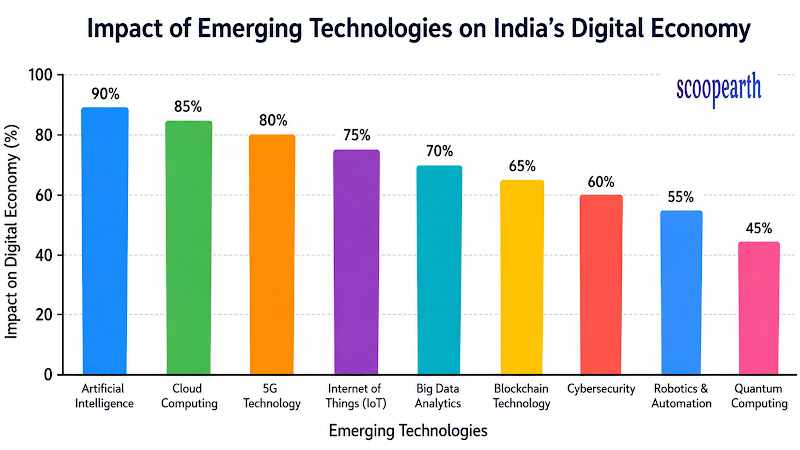
A variety of developing technologies are driving India’s digital transformation, creating a dynamic environment in which enterprises and government institutions may innovate, improve efficiency, and generate new economic opportunities. Some of the major themes influencing this change are listed below:
Cloud-based technologies
The foundation of digital transformation is made up of cloud-native technologies, which allow companies to swiftly and safely develop, launch, and scale applications in a cloud environment. Containerisation, microservices, serverless computing, DevOps techniques, and Kubernetes are important technologies.
According to a NASSCOM report, by 2024, cloud-native technologies will account for 70% of India’s overall cloud market. Businesses that use these technologies will become more innovative, agile, and cost-effective, giving them a competitive advantage.
Artificial Intelligence and Machine Learning
Artificial intelligence (AI) and machine learning (ML) are revolutionising how businesses utilise data for better decision-making, customer experience, and operational efficiency. Additionally, these technologies can support the creation of new goods, services, and business strategies.
By 2035, AI could boost India’s GDP by US$957 billion, or 1.3 per cent annually, according to PwC. This illustrates the immense possibilities for businesses to engage in AI and ML as they navigate the data-driven economy.
Internet of Things (IoT)
With the physical systems and devices being attached to the internet, the Internet of Things, or the IoT, is allowing the flow of data between them, which can be leveraged for optimising business processes, ensuring enhanced productivity, and strengthening safety. Currently, it is gaining more attention as IoT solutions are used by many, such as manufacturing units, the health sector, smart cities, and many others. As per an estimate by Zinnov, it is anticipated that in 2024 the value of IoT in India would rise to $15 billion with a CAGR of 20 per cent. IoT-enabled enterprises will not only be able to strengthen their relationships with consumers, but will also find themselves optimising the usage of resources and streamlining the supply chain.
Cybersecurity and Data Privacy
Strong cybersecurity and data privacy protections are becoming more and more important as India’s digital economy expands. Businesses must safeguard their digital assets from intrusions while ensuring compliance with current data protection standards. By 2024, DSCI predicts that India would spend $35 billion on cybersecurity. Businesses that put cybersecurity and data privacy first will meet ethical and legal requirements while protecting their reputations and customers’ trust.
Digital platforms and ecosystems
Businesses can engage with a network of clients, vendors, partners, and rivals through digital platforms and ecosystems, collaborating to develop new value offerings. These platforms make it easier to expand markets, scale operations, and launch a variety of products.
BCG projects that digital platforms might contribute $500 billion to India’s GDP by 2024, or 10 percent of the total economy. Businesses that take part in these ecosystems will have access to new technical capabilities and growth potential.
Important projects under Digital India
- Aadhaar, one of the biggest programmes, gives each citizen a unique identifying number. With more than 1.2 billion Aadhaar cards issued, it is a fundamental component for managing different social welfare programmes and optimising public services. It supports biometric and demographic authentication, ensuring transparency and efficiency in service delivery.
- DigiLocker encourages a paperless governance ecosystem by enabling citizens to safely access legitimate digital documents. It lessens reliance on paper documents by enabling people to keep important documents like driver’s licences and academic diplomas. This program is essential to streamlining procedures for both citizens and governmental organisations.
- Through conversations, donations, and idea sharing, MyGov.in is a platform that involves citizens in governance. It acts as a liaison between the government and the general public, allowing citizens to submit policy recommendations and participate in decision-making. Transparency and cooperation in governance are improved by this interactive portal.
- Government organisations can purchase goods and services online with the help of GeM (Government e-Marketplace), which encourages cost-effectiveness, efficiency, and openness. By digitising the procurement process, the government ensures that all transactions are traceable and competitive, decreasing corruption and inefficiencies.
- The goal of public Wi-Fi hotspots is to bridge the digital divide, promote economic participation through enhanced connectivity, and enable widespread access to the internet, especially in places with limited mobile data availability.
Digital Economy Benefits
The digital economy benefits include productivity, global market access, innovation, financial inclusion, job creation, environmental sustainability, and increased public service delivery through e-governance projects
- Increased Productivity: India’s digital economy is approximately five times more productive than traditional sectors, with digital technologies streamlining processes, automating jobs, and enhancing efficiency across industries.
- Global Market Access: Indian companies, particularly MSMEs, may now access international markets thanks to e-commerce and TradeTech platforms; by 2030, the e-commerce sector’s exports are expected to reach $1 trillion.
- Innovation and Entrepreneurship: The digital environment encourages innovation, decreases entry barriers, and boosts entrepreneurship. By 2030, there will be 180,000 startups in India, with a total of $170 billion in funding by 2025.
- Job Creation: In developing technological sectors, the digital economy creates new job roles and possibilities. It added 2.55% of the workforce by 2022–23 to India’s economy, including roles in AI and cybersecurity.
- Environmental Sustainability: By enhancing resource mobilisation, lowering energy consumption, and reducing emissions, digital technologies—such as cloud computing and green IT—support sustainable practices and assist nations in achieving the Sustainable Development Goals.
Emerging Technologies: Accelerating the Growth Engine of India
Through providing 20% contribution to India’s nominal GDP and creating 60-65 million jobs by 2025, new technologies are expected to provide economic value worth $1 trillion to the country, thus spearheading India’s goal of $5 trillion economy. The digitization of economic sectors is largely dependent on information technologies, such as AI, Blockchain, AR/VR/XR, etc, communication technologies such as 5G, IoTs, and new manufacturing technologies, such as 3D and additive manufacturing, etc.
Energy-based technologies have the potential to transform the business environment, employment environment, and lifestyle of India. Technologies in the information and communication, healthcare, agriculture and food production, and climate. Various scientific ministries, including MEITY, DOT, DRDO, DST, DBT, DHR, DARE, and others, have initiated various programmes to enhance technology development and facilitate the utilization of the transformative power of new technologies.
The Role of Tech in Enabling India’s Digital Economy by 2030
What role does the IT companies have to play in this development, and how will technology shape the digital economy of India in the future? As India aims for the status of a $5 trillion economy, technological developments are central to this growth. The country is fast heading towards becoming a tech-based economy, where there will be more than 900 million internet users by 2030.
The primary reasons behind this change include companies such as True Value Infosoft, which is one of the top IT companies in India, and which is assisting companies in dealing with the digital trends through its powerful software solutions that facilitate easy integration of cybersecurity, cloud computing, and AI into the system. It is forecasted by the industry that the Indian premier IT industry will grow to $350 billion in the coming decade.
What is Technology?
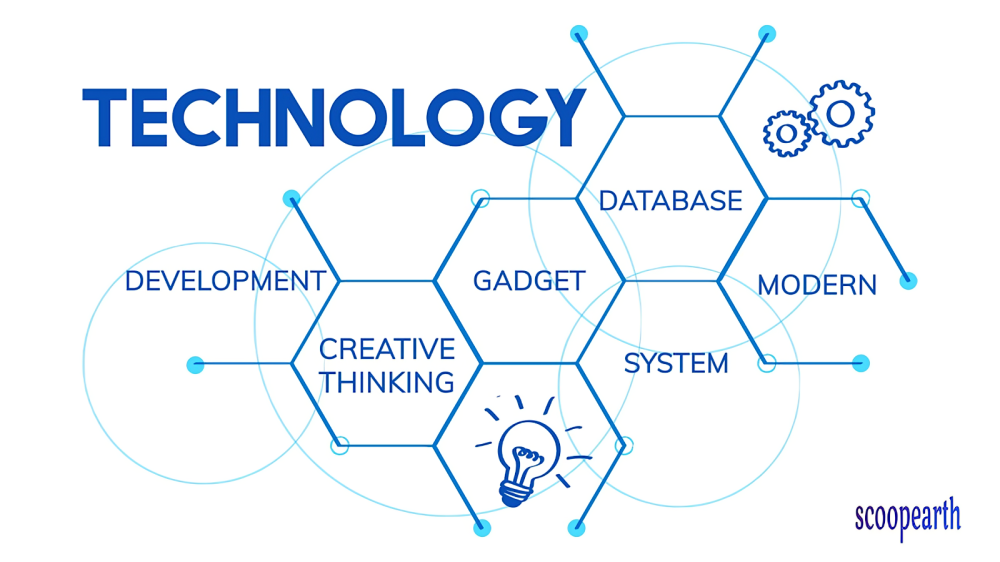
Technology is the use of scientific knowledge to create instruments, processes, and solutions that enhance human life. Information technology (IT), artificial intelligence (AI), cloud computing, blockchain, the Internet of Things (IoT), and other topics are covered. In the framework of the digital economy, technology encourages innovation and economic growth by increasing automation, data analytics, connectivity, and efficiency.
The Role of Technology in India’s Digital Economy
Technology plays a key role in the growth of India’s digital economy in the following ways:
FinTech and Digital Payments
Financial transactions in India have been transformed with the introduction of digital banking, mobile wallets, and the Unified Payments Interface (UPI).
Blockchain-powered safe transactions and AI-driven risk assessment enhance financial inclusivity and security.
Digital Services and E-Governance
AI-powered recommendation engines and digital payment systems enhance user experiences.
Online marketplaces and e-commerce
By providing digital markets for companies and consumers, platforms like Amazon, Flipkart, and Reliance JioMart have revolutionised the retail industry.
EdTech and Digital Learning
Easy to learn Quality education is a distant dream? Not anymore, with platforms such as BYJU’S, Unacademy, and Coursera. The use of AI-driven technology in education and personalised learning has become much easier with the help of these ed-tech websites. Personalised learning and engaging course material with the use of AI is changing the education landscape altogether.
Healthcare and Telemedicine
AI-powered tests, virtual consultations, and digital health records boost healthcare accessibility.
Digital platforms are used by startups such as Practo and Apollo 24/7 to improve patient care.
Importance of Technology in the Digital Economy
The digital economy is dependent on technology since
- It supports real-time transactions and helps in reducing operational costs.
- Big data and AI help in decision-making through insight.
- Innovation and scalability are encouraged through the use of digital technology.
- Digital transformation improves accessibility and customer experience.
Case Study: Digital Transformation in Indian MSMEs
Challenge: Many micro, small, and medium enterprises (MSMEs) found it hard to invest in and adopt the digital technologies available, as there was a gap in knowledge and financial resources.
Solution: True Value Infosoft introduced digital payment services, cloud-based business software, and artificial intelligence-driven solutions to help companies gain in terms of efficiency and customers.
Results:
- 40% more efficient operations
- Improved client experience with AI-powered suggestions
- Safe and easy online transactions that increase income and confidence
The Road Ahead
Innovation, connection, and technology are driving a new age in India’s digital economy. In addition to changing enterprises, emerging technologies are enhancing public services, healthcare, education, agriculture, and financial inclusion.
Although there are still issues with infrastructure, digital literacy, and cybersecurity, there are far more potential. Companies that embrace digital transformation will be in a better position to compete on a global scale, and those who acquire technological skills will have exciting employment options in the years to come.
Now is the ideal moment for companies, professionals, students, and entrepreneurs to learn about these technologies and get ready for the digital future. Those who adapt early would be most able to succeed in India’s fast-expanding digital landscape.
Conclusion
Technology, the enabler of India’s digital economy. Our technology enhances accessibility, ensures growth, and fuels innovation across various industries. By 2030, these evolving technologies – such as AI, blockchain, cloud computing, and IoT – are going to accelerate India’s digital revolution. As pioneers in enabling technology, True Value Infosoft is bringing about this digital transition. When India accepts digital transition now, it will evolve into a smarter, more connected, and more economically robust nation.
Read the full article here