Senator Harry S. Truman and others at a meeting of the Senate Special Committee to Investigate the National Defense Program (the Truman Committee), held in the Senate Caucus room in 1943. Wiki Commons
Senator Harry S. Truman and others at a meeting of the Senate Special Committee to Investigate the National Defense Program (the Truman Committee), held in the Senate Caucus room in 1943. Wiki Commons
Oversight is the ability of Congress to ensure that the laws it passes are faithfully executed. This generally means asking questions, demanding information, convening hearings and holding the executive branch accountable for its actions.
Republished with permission from The Conversation, by Gibbs Knotts, Coastal Carolina University and Drew Kurlowski, Coastal Carolina University
Routine congressional oversight hearings usually don’t make headlines. Historically, these often low-key events have been the sorts of things you catch only on C-SPAN—procedural, polite and largely ignored outside the Beltway.
But their tone has shifted dramatically during the second Trump administration.
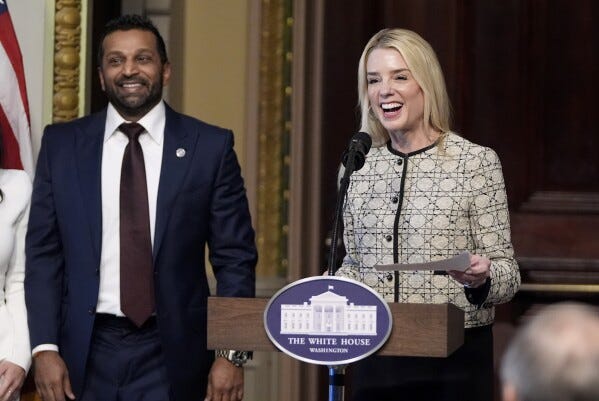
When Attorney General Pam Bondi appeared before the Senate Judiciary Committee on Oct. 7, 2025, what took place was a contentious, highly partisan, made-for-TV-and-social-media confrontation.
The hearing occurred on the heels of the indictment of former FBI Director James Comey, which many legal experts view as an example of a president targeting his political enemies. Bondi came ready to fight. She refused to answer many questions from Democrats, instead launching personal attacks against these members of the U.S. Senate.
When Illinois Sen. Dick Durbin, a Democrat, asked about the deployment of National Guard troops in Chicago, Bondi retorted, “I wish you loved Chicago as much as you hate President Trump.” The clip went viral, as Bondi likely intended.
From our perspective as political scientists who study the U.S. Congress, congressional oversight has played an important role in American democracy. Here’s a brief history.
Inquisitory Powers
In simple terms, oversight is the ability of Congress to ensure that the laws it passes are faithfully executed. This generally means asking questions, demanding information, convening hearings and holding the executive branch accountable for its actions.
Oversight isn’t specifically mentioned in the Constitution. Article 1, Section 8, which lists the powers of Congress, includes the power “to make all laws which shall be necessary and proper,” without identifying an oversight role. Once laws are enacted, Article 2, Section 3, states that the president “shall take Care that the Laws be faithfully executed.”
However, the framers viewed congressional oversight as a key component of legislative authority. They wanted presidents to take Congress seriously and structured the Constitution to ensure that the executive would be accountable to the legislature. As James Madison urged in Federalist 51, the separate branches of government should have the power to keep each other from becoming too powerful. “Ambition must be made to counteract ambition,” Madison wrote.
The framers drew from the examples of the British Parliament and Colonial legislatures. In 1621, Sir Francis Bacon was charged with corruption and impeached as Lord High Chancellor after an investigation by a committee of the British Parliament. And in 1768, the Massachusetts Assembly conducted an investigation of Gov. Francis Bernard that led to a formal request to the King of England for his removal.
At the Federal Convention in 1787 that produced the Constitution, Delegate George Mason noted that members of Congress possessed “inquisitory powers” and “must meet frequently to inspect the Conduct of public officials.” Even though this idea was never written down, it was a habit of self-government that early Congresses put into practice.
Early Oversight Hearings
Congressional oversight began almost as soon as the first Congress met. In 1790, Robert Morris, the superintendent of finances during the Continental Congress and a financier of the American Revolution, asked Congress to investigate his handling of the country’s finances and was exonerated of any wrongdoing.
During this period, congressional investigations were often referred to select committees—bodies created to perform special functions. These panels had the power to issue subpoenas and hold individuals in contempt. Since there was no official record of debates and proceedings, the public relied on newspaper accounts to learn about what had happened.
In March 1792, congressional oversight exposed businessman William Duer, who signed contracts with the War Department but failed to furnish the needed military supplies. This shortfall contributed to a stunning U.S. military defeat against a confederation of Native American tribes in the Northwest Territory.
Congress eventually removed the quartermaster general from his role for mismanaging the contracts. Duer was simultaneously involved in perhaps the first American economic bubble, which burst at the same time as Congress’ hearings. He ended up in a debtor’s prison, where he died in 1799.
Throughout the 19th century, Congress continued to quietly exercise this power. The work was often invisible to the public, but the issues were important. Hearings from December 1861 to May 1865 on the conduct of the U.S. Civil War produced a detailed record of the war, exposed military wrongdoing and condemned slavery. In 1871, the Senate created a select committee to investigate Ku Klux Klan violence during Reconstruction.
Investigating Corruption and Criminal Acts
Congress started to use its oversight power more aggressively in the 1920s with the Senate Committee on Public Land and Surveys’ high-profile investigations into the Teapot Dome scandal.
Hearings revealed that Interior Secretary Albert Bacon Fall had secretly leased federal oil reserves in Wyoming to two private corporations and had received personal loans and gifts from the companies in return.
The investigation found clear evidence of corruption. Fall was indicted and became the first U.S. Cabinet member to be convicted of a felony.
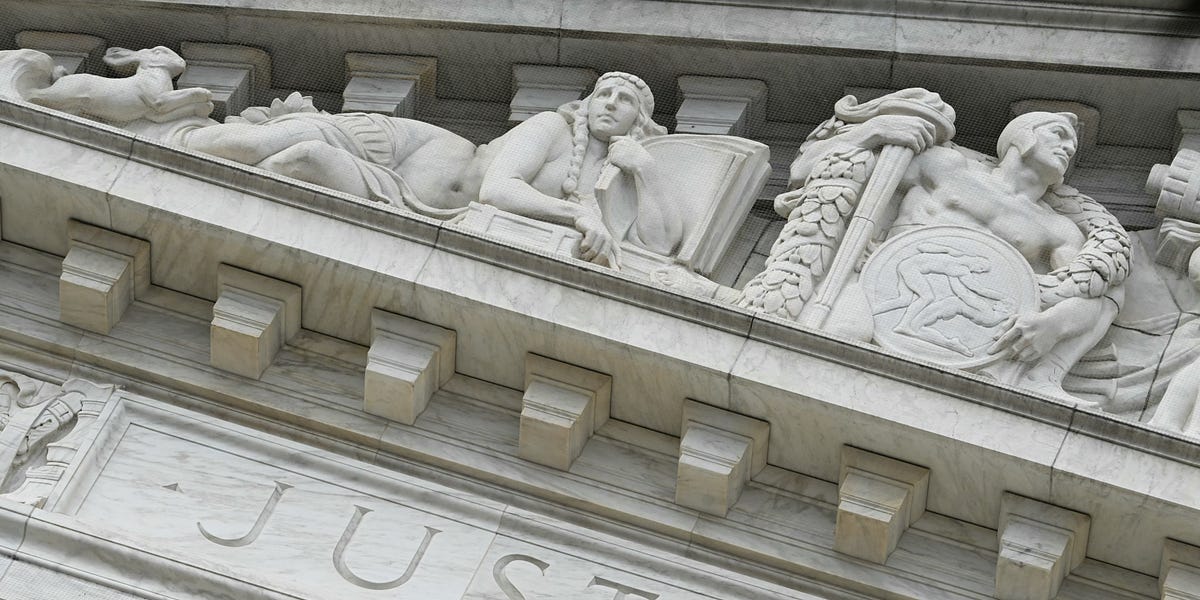
The U.S. Supreme Court helped to shape the legal foundation of congressional oversight. In McGrain v. Daugherty, decided in 1927, the court held that congressional committees could issue subpoenas, force witnesses to testify and hold them in contempt if they fail to appear. Two years later, in Sinclair v. United States, the court ruled that witnesses who lied to Congress could be charged with perjury.
These cases granted the judicial branch’s sanction to what had long been an implied legislative power, cementing the constitutionality of congressional oversight.
Oversight Highs and Lows
The modern era of congressional oversight has produced some very important reforms—and some truly regrettable spectacles.
The most important example of bipartisan congressional oversight came in response to reporting by The Washington Post’s Carl Bernstein and Bob Woodward. The two journalists wrote about the 1972 burgling of Democratic National Committee offices in Washington, D.C.’s Watergate Hotel and subsequent cover-up efforts by the Nixon administration.
On Feb. 7, 1973, the U.S. Senate voted 77-0 to establish a Select Committee on Presidential Campaign Activities, which brought together Democrats and Republicans to investigate what came to be known as the “Watergate scandal.” The committee’s work spurred action in Congress to impeach President Richard Nixon, leading to Nixon’s resignation in 1974 and to the enactment of legal reforms to provide an institutional check on presidential power.
Another high point for congressional oversight came after the 9/11 terrorist attacks in 2001. Seeking to learn how the deadliest terrorist strike on American soil had occurred, Democratic Sen. Bob Graham and Republican Rep. Porter Goss, who chaired the Senate and House Intelligence committees, formed a joint committee to investigate intelligence failures before and after the attacks.
This inquiry produced several important recommendations that were ultimately adopted, including the creation of a director of national intelligence and a Department of Homeland Security, as well as better information sharing among law enforcement agencies.
Congress’ oversight can extend beyond the executive branch when the actions of private actors raise questions about existing laws or spur the need for new ones. As examples, investigations into medical device safety and Enron’s 2001 collapse examined malfeasance in the private sphere that existing regulations failed to prevent.
However, the power to expose corruption can also be used as a tool to score partisan points and generate outrage, rather than holding the executive branch accountable for actual malfeasance. Notably, in the 1950s, Wisconsin Sen. Joseph McCarthy turned oversight into inquisition and used the power of media to amplify his accusations of communist influence within the federal government.
Democracy Needs Oversight
Congressional oversight has strengthened the democratic system at many points. But hearings like Bondi’s recent session before the Senate Judiciary Committee aren’t the first, and likely won’t be the last, to substitute sound bites for substance.
As we see it, the problem with allowing oversight to become political theater is that it distracts Congress from quieter and more meaningful oversight work. Slow, procedural work isn’t likely to go viral, but it helps keep government accountable. The task of a deliberate legislative body is to reconcile those very different impulses.
Gibbs Knotts, Professor of Political Science, Coastal Carolina University and Drew Kurlowski, Associate Professor of Political Science, Coastal Carolina University
This article is republished from The Conversation under a Creative Commons license. Read the original article.
The Conversation is a nonprofit, independent news organization dedicated to unlocking the knowledge of experts for the public good. We publish trustworthy and informative articles written by academic experts for the general public and edited by our team of journalists.
Help Support Factkeepers!
{“id”:null,”mode”:”form”,”open_style”:”in_place”,”currency_code”:”USD”,”currency_symbol”:”$”,”currency_type”:”decimal”,”blank_flag_url”:”https://factkeepers.com/wp-content/plugins/tip-jar-wp//assets/images/flags/blank.gif”,”flag_sprite_url”:”https://factkeepers.com/wp-content/plugins/tip-jar-wp//assets/images/flags/flags.png”,”default_amount”:500,”top_media_type”:”none”,”featured_image_url”:false,”featured_embed”:””,”header_media”:null,”file_download_attachment_data”:null,”recurring_options_enabled”:true,”recurring_options”:{“never”:{“selected”:true,”after_output”:”One time only”},”weekly”:{“selected”:false,”after_output”:”Every week”},”monthly”:{“selected”:false,”after_output”:”Every month”},”yearly”:{“selected”:false,”after_output”:”Every year”}},”strings”:{“current_user_email”:””,”current_user_name”:””,”link_text”:”Leave a tip”,”complete_payment_button_error_text”:”Check info and try again”,”payment_verb”:”Pay”,”payment_request_label”:”Factkeepers.com”,”form_has_an_error”:”Please check and fix the errors above”,”general_server_error”:”Something isn’t working right at the moment. Please try again.”,”form_title”:”Help Support Factkeepers”,”form_subtitle”:null,”currency_search_text”:”Country or Currency here”,”other_payment_option”:”Other payment option”,”manage_payments_button_text”:”Manage your payments”,”thank_you_message”:”Thank you for being a supporter!”,”payment_confirmation_title”:”Factkeepers.com”,”receipt_title”:”Your Receipt”,”print_receipt”:”Print Receipt”,”email_receipt”:”Email Receipt”,”email_receipt_sending”:”Sending receipt…”,”email_receipt_success”:”Email receipt successfully sent”,”email_receipt_failed”:”Email receipt failed to send. Please try again.”,”receipt_payee”:”Paid to”,”receipt_statement_descriptor”:”This will show up on your statement as”,”receipt_date”:”Date”,”receipt_transaction_id”:”Transaction ID”,”receipt_transaction_amount”:”Amount”,”refund_payer”:”Refund from”,”login”:”Log in to manage your payments”,”manage_payments”:”Manage Payments”,”transactions_title”:”Your Transactions”,”transaction_title”:”Transaction Receipt”,”transaction_period”:”Plan Period”,”arrangements_title”:”Your Plans”,”arrangement_title”:”Manage Plan”,”arrangement_details”:”Plan Details”,”arrangement_id_title”:”Plan ID”,”arrangement_payment_method_title”:”Payment Method”,”arrangement_amount_title”:”Plan Amount”,”arrangement_renewal_title”:”Next renewal date”,”arrangement_action_cancel”:”Cancel Plan”,”arrangement_action_cant_cancel”:”Cancelling is currently not available.”,”arrangement_action_cancel_double”:”Are you sure you’d like to cancel?”,”arrangement_cancelling”:”Cancelling Plan…”,”arrangement_cancelled”:”Plan Cancelled”,”arrangement_failed_to_cancel”:”Failed to cancel plan”,”back_to_plans”:”u2190 Back to Plans”,”update_payment_method_verb”:”Update”,”sca_auth_description”:”Your have a pending renewal payment which requires authorization.”,”sca_auth_verb”:”Authorize renewal payment”,”sca_authing_verb”:”Authorizing payment”,”sca_authed_verb”:”Payment successfully authorized!”,”sca_auth_failed”:”Unable to authorize! Please try again.”,”login_button_text”:”Log in”,”login_form_has_an_error”:”Please check and fix the errors above”,”uppercase_search”:”Search”,”lowercase_search”:”search”,”uppercase_page”:”Page”,”lowercase_page”:”page”,”uppercase_items”:”Items”,”lowercase_items”:”items”,”uppercase_per”:”Per”,”lowercase_per”:”per”,”uppercase_of”:”Of”,”lowercase_of”:”of”,”back”:”Back to plans”,”zip_code_placeholder”:”Zip/Postal Code”,”download_file_button_text”:”Download File”,”input_field_instructions”:{“tip_amount”:{“placeholder_text”:”How much would you like to donate? You can change this amount to anything you would like.”,”initial”:{“instruction_type”:”normal”,”instruction_message”:”How much would you like to donate? You can change this amount to anything you would like.”},”empty”:{“instruction_type”:”error”,”instruction_message”:”How much would you like to donate? You can change this amount to anything you would like.”},”invalid_curency”:{“instruction_type”:”error”,”instruction_message”:”How much would you like to donate? You can change this amount to anything you would like.”}},”recurring”:{“placeholder_text”:”Recurring”,”initial”:{“instruction_type”:”normal”,”instruction_message”:”How often would you like to donate this?”},”success”:{“instruction_type”:”success”,”instruction_message”:”How often would you like to donate this?”},”empty”:{“instruction_type”:”error”,”instruction_message”:”How often would you like to donate this?”}},”name”:{“placeholder_text”:”Name on Credit Card”,”initial”:{“instruction_type”:”normal”,”instruction_message”:”Enter the name on your card.”},”success”:{“instruction_type”:”success”,”instruction_message”:”Enter the name on your card.”},”empty”:{“instruction_type”:”error”,”instruction_message”:”Please enter the name on your card.”}},”privacy_policy”:{“terms_title”:”Terms and conditions”,”terms_body”:null,”terms_show_text”:”View Terms”,”terms_hide_text”:”Hide Terms”,”initial”:{“instruction_type”:”normal”,”instruction_message”:”I agree to the terms.”},”unchecked”:{“instruction_type”:”error”,”instruction_message”:”Please agree to the terms.”},”checked”:{“instruction_type”:”success”,”instruction_message”:”I agree to the terms.”}},”email”:{“placeholder_text”:”Your email address”,”initial”:{“instruction_type”:”normal”,”instruction_message”:”Enter your email address”},”success”:{“instruction_type”:”success”,”instruction_message”:”Enter your email address”},”blank”:{“instruction_type”:”error”,”instruction_message”:”Enter your email address”},”not_an_email_address”:{“instruction_type”:”error”,”instruction_message”:”Make sure you have entered a valid email address”}},”note_with_tip”:{“placeholder_text”:”Your note here…”,”initial”:{“instruction_type”:”normal”,”instruction_message”:”Attach a note to your tip (optional)”},”empty”:{“instruction_type”:”normal”,”instruction_message”:”Attach a note to your tip (optional)”},”not_empty_initial”:{“instruction_type”:”normal”,”instruction_message”:”Attach a note to your tip (optional)”},”saving”:{“instruction_type”:”normal”,”instruction_message”:”Saving note…”},”success”:{“instruction_type”:”success”,”instruction_message”:”Note successfully saved!”},”error”:{“instruction_type”:”error”,”instruction_message”:”Unable to save note note at this time. Please try again.”}},”email_for_login_code”:{“placeholder_text”:”Your email address”,”initial”:{“instruction_type”:”normal”,”instruction_message”:”Enter your email to log in.”},”success”:{“instruction_type”:”success”,”instruction_message”:”Enter your email to log in.”},”blank”:{“instruction_type”:”error”,”instruction_message”:”Enter your email to log in.”},”empty”:{“instruction_type”:”error”,”instruction_message”:”Enter your email to log in.”}},”login_code”:{“initial”:{“instruction_type”:”normal”,”instruction_message”:”Check your email and enter the login code.”},”success”:{“instruction_type”:”success”,”instruction_message”:”Check your email and enter the login code.”},”blank”:{“instruction_type”:”error”,”instruction_message”:”Check your email and enter the login code.”},”empty”:{“instruction_type”:”error”,”instruction_message”:”Check your email and enter the login code.”}},”stripe_all_in_one”:{“initial”:{“instruction_type”:”normal”,”instruction_message”:”Enter your credit card details here.”},”empty”:{“instruction_type”:”error”,”instruction_message”:”Enter your credit card details here.”},”success”:{“instruction_type”:”normal”,”instruction_message”:”Enter your credit card details here.”},”invalid_number”:{“instruction_type”:”error”,”instruction_message”:”The card number is not a valid credit card number.”},”invalid_expiry_month”:{“instruction_type”:”error”,”instruction_message”:”The card’s expiration month is invalid.”},”invalid_expiry_year”:{“instruction_type”:”error”,”instruction_message”:”The card’s expiration year is invalid.”},”invalid_cvc”:{“instruction_type”:”error”,”instruction_message”:”The card’s security code is invalid.”},”incorrect_number”:{“instruction_type”:”error”,”instruction_message”:”The card number is incorrect.”},”incomplete_number”:{“instruction_type”:”error”,”instruction_message”:”The card number is incomplete.”},”incomplete_cvc”:{“instruction_type”:”error”,”instruction_message”:”The card’s security code is incomplete.”},”incomplete_expiry”:{“instruction_type”:”error”,”instruction_message”:”The card’s expiration date is incomplete.”},”incomplete_zip”:{“instruction_type”:”error”,”instruction_message”:”The card’s zip code is incomplete.”},”expired_card”:{“instruction_type”:”error”,”instruction_message”:”The card has expired.”},”incorrect_cvc”:{“instruction_type”:”error”,”instruction_message”:”The card’s security code is incorrect.”},”incorrect_zip”:{“instruction_type”:”error”,”instruction_message”:”The card’s zip code failed validation.”},”invalid_expiry_year_past”:{“instruction_type”:”error”,”instruction_message”:”The card’s expiration year is in the past”},”card_declined”:{“instruction_type”:”error”,”instruction_message”:”The card was declined.”},”missing”:{“instruction_type”:”error”,”instruction_message”:”There is no card on a customer that is being charged.”},”processing_error”:{“instruction_type”:”error”,”instruction_message”:”An error occurred while processing the card.”},”invalid_request_error”:{“instruction_type”:”error”,”instruction_message”:”Unable to process this payment, please try again or use alternative method.”},”invalid_sofort_country”:{“instruction_type”:”error”,”instruction_message”:”The billing country is not accepted by SOFORT. Please try another country.”}}}},”fetched_oembed_html”:false}
{“date_format”:”F j, Y”,”time_format”:”g:i a”,”wordpress_permalink_only”:”https://factkeepers.com/a-brief-history-of-congressional-oversight-from-revolutionary-war-financing-to-pam-bondi/?ICID=ref_fark”,”all_default_visual_states”:”inherit”,”modal_visual_state”:false,”user_is_logged_in”:false,”stripe_api_key”:”pk_live_40P3DgGDAHEP1QtJ0nOU4nms5JYHI8GbQ05dYiB1S8OPP5oMSIpOCCeeIawOyeW6bWDkDMWdUeggbhxOQTSA6aedu00ROAbhXBd”,”stripe_account_country_code”:”US”,”setup_link”:”https://factkeepers.com/wp-admin/admin.php?page=tip-jar-wp&mpwpadmin1=welcome&mpwpadmin_lightbox=do_wizard_health_check”,”close_button_url”:”https://factkeepers.com/wp-content/plugins/tip-jar-wp//assets/images/closebtn.png”}