





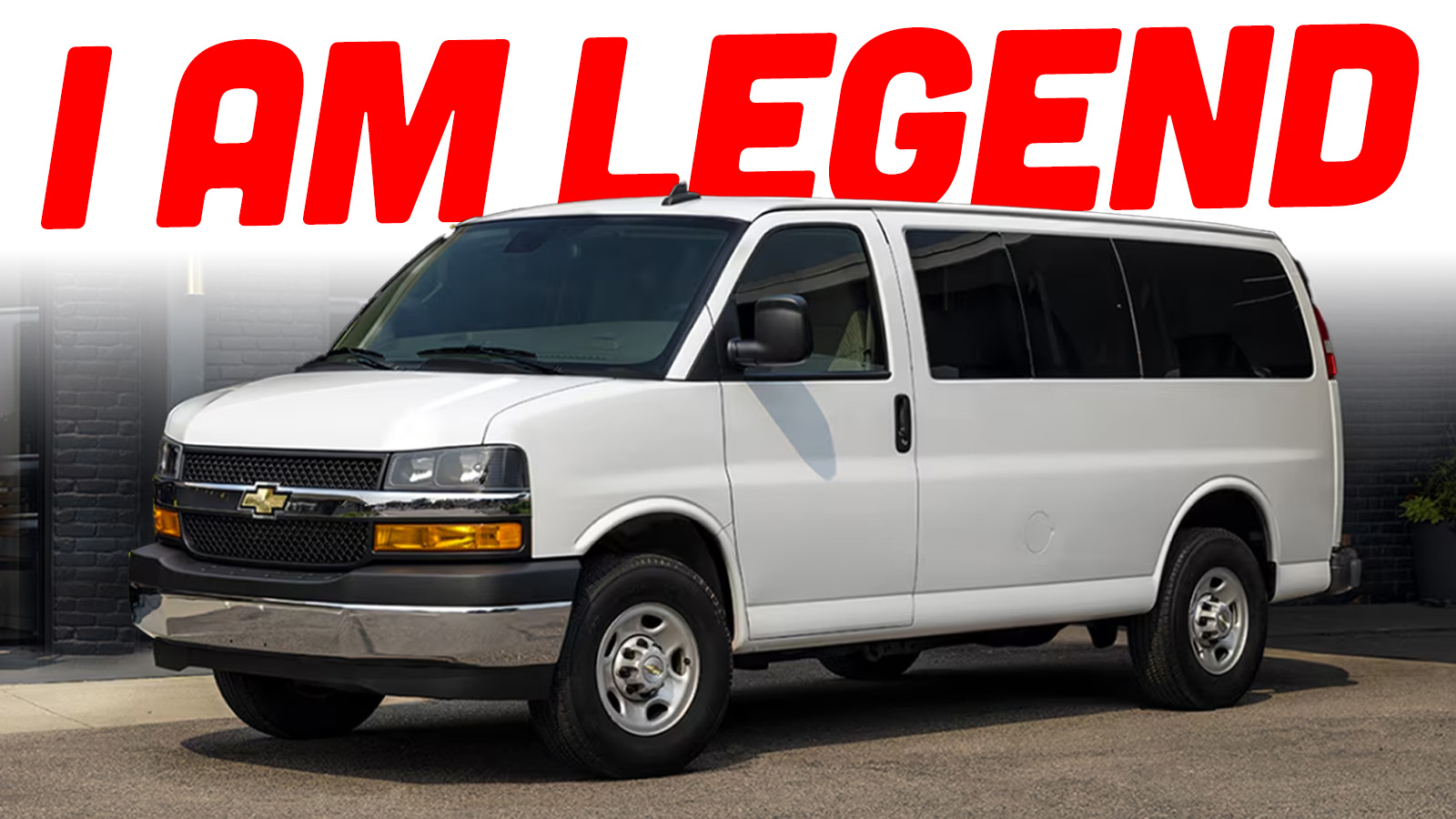
I don’t think General Motors’ line of Chevrolet Express and GMC Savana vans will ever leave production. While many believe 29 years is too old for the body-on-frame utility vehicle to continue to exist, it’s pretty obvious at this point that it’s here to stay.
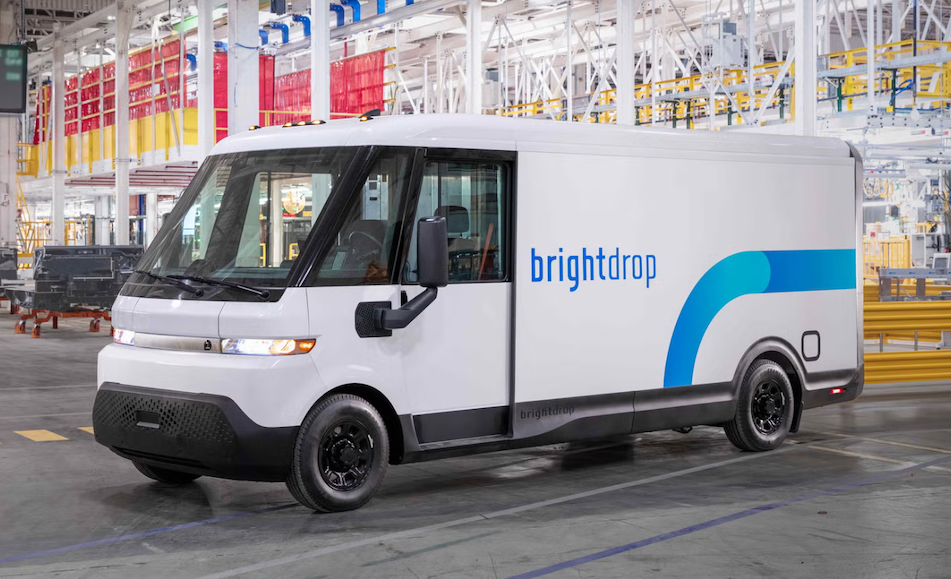
If you need further proof, look at GM’s latest decision to end production of its BrightDrop electric delivery van. This van was supposed to be the Express’s spiritual successor when it debuted in 2021, a commercial-oriented vehicle designed to work with businesses to get jobs done, like last-mile deliveries. With a bunch of useful tech and up to 303 range on tap, it was, on its surface, pretty promising. Our own Thomas Hundal even drove one back when it was called the Zevo 600, and loved it.

Yet GM has sold just 3,976 BrightDrops this year so far through the third quarter, compared with over 60,000 Express and Savana vans in the same period. Now, after just four years, Chevy is pulling the plug.
GM actually paused production of the BrightDrop at the Canadian Automotive Manufacturing Inc. (CAMI) assembly plant in Ontario earlier this year over low demand. That pause was supposed to be temporary, with production originally set to resume next month. But demand for the van never rematerialized, so the pause was made permanent. From GM:
The commercial electric delivery van market developed much slower than expected with the plant operating below capacity and production suspended since May 2025. A changing regulatory environment and the elimination of tax credits in the United States have made the business even more challenging. The decision is part of broader adjustments the company is making to North America EV capacity.
“The decision to end production of the BrightDrop electric delivery van is driven by market demand and in no way reflects the commitment and skill of our workforce at CAMI,” said Kristian Aquilina, president and managing director of GM Canada. “This continues to be an uncertain time for our workforce at CAMI, and we are committed to working closely with our employees, Unifor and the Canadian and Ontario governments as we evaluate next steps for the future of CAMI.”
With no other vehicles being built at the plant, GM intends to pay hourly employees six months of salary and “the potential for lump sum payments and other benefits.” The company says it’ll also assess the plant “for future opportunities.” Most recently, CAMI built the Equinox up until 2022. Before that, it built cars like the GMC Terrain and the Suzuki XL-7 (a badge-engineered Equinox), among other cars.
The move to end BrightDrop production comes just one week after Chevy announced it would be writing down $1.6 billion from its EV business over the disappearing tax credits, the reduction of emissions regulations, and the resulting contraction of demand. Basically, the company realized there was no way the market was going to want a near-$70,000 electric van for commercial use without some sort of government intervention. And now that those subsidies are disappearing, the BrightDrop is no longer a viable product.
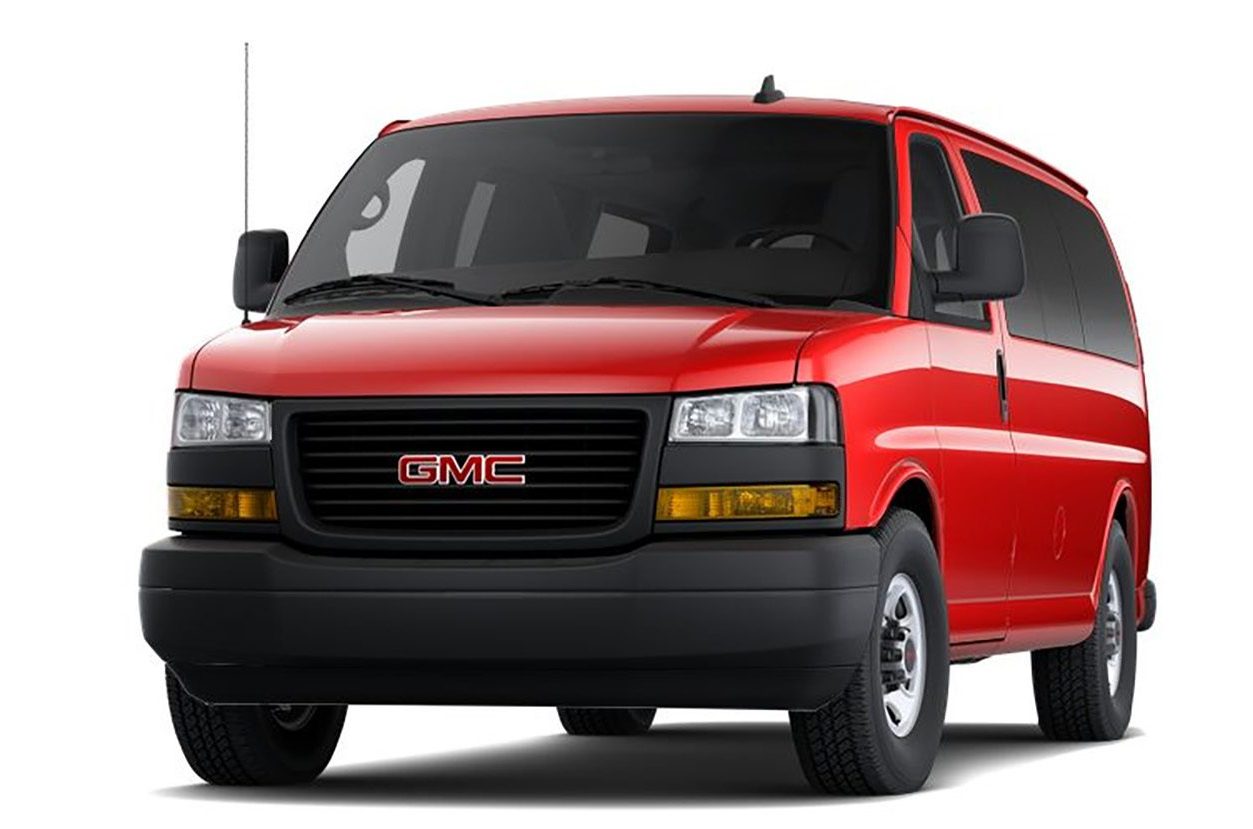
The Express and Savana vans, meanwhile, are in a perfect position to maintain their market share. Unlike the BrightDrop, these gas-powered GM vans are inexpensive, starting at just over $43,000. Because millions have been built and they’ve been around for decades, parts are cheap and plentiful. Plus, because they’re essentially just a ’90s body-on-frame truck underneath, anyone can fix them.
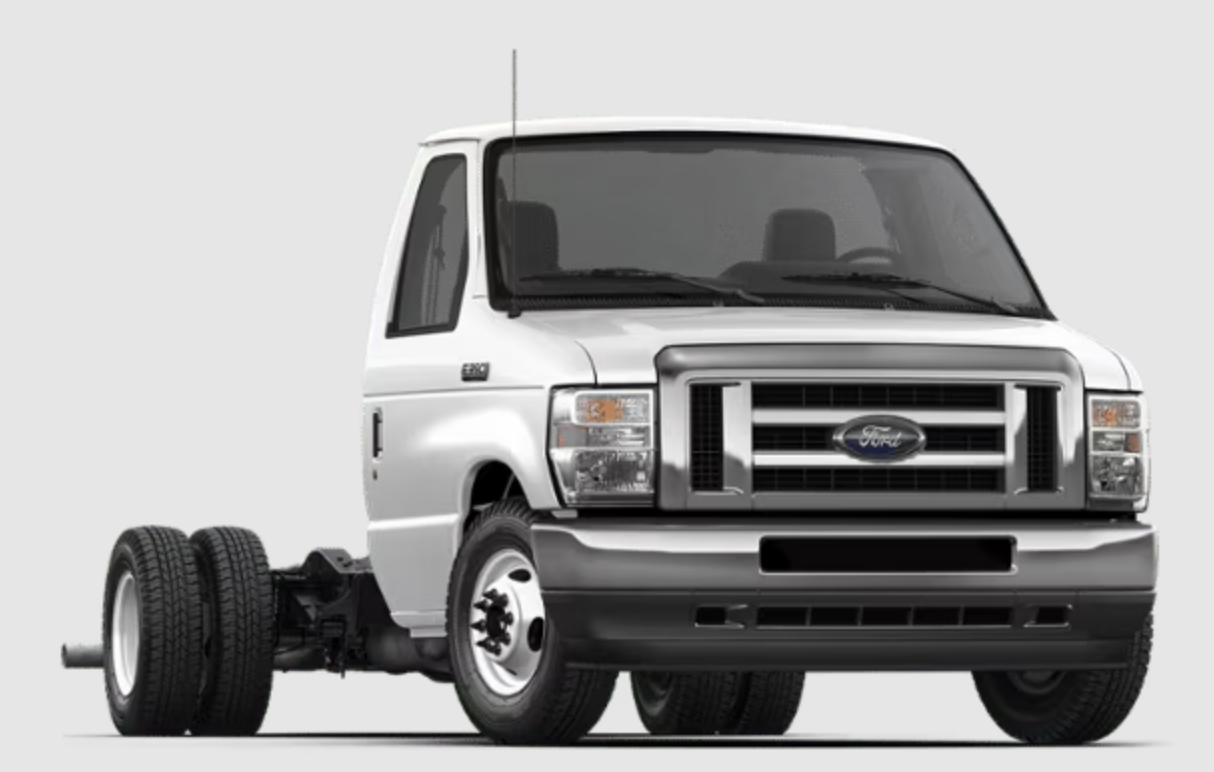
Further, the Express and Savana vans don’t really have any competition. Sure, the Ram ProMaster and the Ford Transit exist, but those are both unibody vehicles that can’t match the Express’s towing capacity. There’s the Mercedes Sprinter, but that’s more expensive to get into and to maintain. Ford actually still makes the Express van’s closest competitor, the E-Series, but it stopped building the passenger and cargo van versions, and now only offers them as stripped chassis or cutaway vehicles, where you have to bring your own back half:
Sure, GM could invest a bunch into making a new Express and Savana, but there’s simply no reason to right now, especially as regulatory emissions pressures ease. So long as these vans can do the job, why mess with a good thing? The company clearly thinks the same way. Though a rumor from back in 2022 suggested the Express and Savana would be phased out of production, a Chevy spokesperson confirmed to me that the Express and Savana would return for the 2026 model year.
What of the rest of the electric van segment? Rivian continues to dominate the field, having sold nearly 7,000 units of its Commercial Van so far this year. Ford, meanwhile, has sold 4,604 units of its electric transit. Mercedes has sold just 495 electric Sprinters, though it went on sale just a couple of months ago. Ram sells an electric ProMaster, but it doesn’t share sales data by trim—I’m willing to bet its numbers are similar to Ford’s.
With any luck, the Express and Savana will outlive them all.
Top graphic image: Chevrolet