





Eurovision faces severe crisis – ties that have been cut will be hard to stitch back togetherpublished at 19:49 GMT 4 December
 Mark Savage
Music correspondent
This is the most severe crisis in the history of the Eurovision
Song Contest. Four countries have already pulled out, and more may
follow.
It’s a situation that’s been brewing for years, amid festering
tension over Israel’s conduct during the war in Gaza.
At the 2024 contest in Malmo, Sweden, streets were closed and
contestants were sequestered in their hotel rooms as protestors took to the
streets.
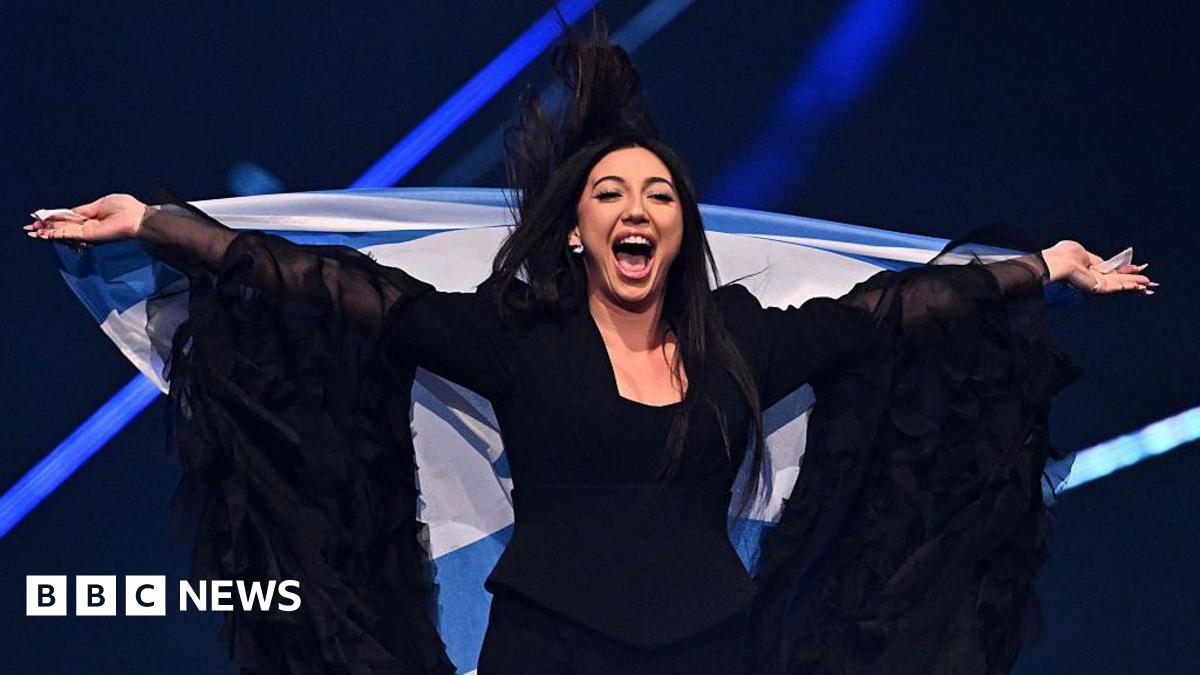
This year, in Basel, Switzerland, two audience members tried to storm
the stage and throw paint over Israel’s entrant, Yuval Raphael.
As the death toll in Gaza rose, several countries ramped up
pressure on the EBU to hold a vote on Israel’s future in the contest. It was
badly handled. A vote was scheduled, then cancelled after a ceasefire was
announced in October.
Today in Geneva, Spain led a bloc of eight countries in calling
for another vote. Organisers denied the request, and instead tied Israel’s
participation to a separate vote, regarding new measures to tighten up voting
procedures.
When that motion passed, Ireland, Spain, Slovenia and the
Netherlands immediately announced a boycott of the 2026 event. The speed at
which they issued their press releases suggests they were anticipating the
result in advance.
The rift goes even deeper than concerns over Israel’s human rights
record. The president of Spain’s broadcaster, José Pablo López Sánchez, said he had
lost faith in the contest’s organisers.
On his way into today’s meeting, he posted an angry statement on
social media saying, “this point should never have been reached”.
He said the EBU had been swayed by “political and commercial
interests” and accused it of mismanaging the contest.
The ties that have been cut today will be hard to stitch back
together.