

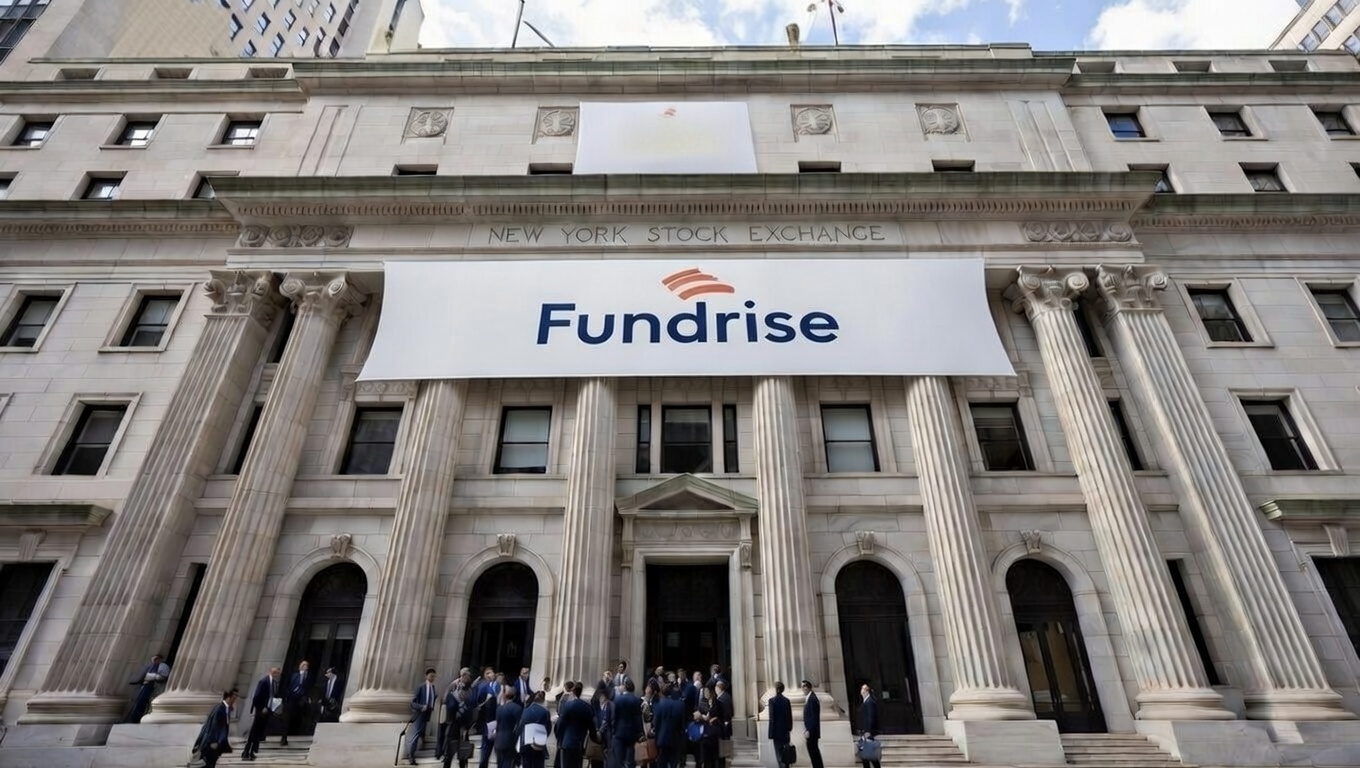





Nvidia (NASDAQ:NVDA) recently found itself in the unusual position of distributing a defensive seven-page rebuttal to Wall Street analysts, directly countering accusations of Enron-style accounting. The document, obtained by outlets like Barron’s and Business Insider, dismisses claims of hidden debt, inflated revenue through special purpose vehicles, and vendor financing schemes akin to those that sank Enron, WorldCom, and Lucent in the early 2000s.
Though it doesn’t name him outright, the memo clearly targets Michael Burry, the “Big Short” investor famous for spotting the 2008 housing crash. Burry’s recent X posts and Substack writings have hammered Nvidia’s revenue recognition, stock-based compensation, and depreciation practices for AI chips, suggesting they mask an overinflated AI bubble.
In response, Burry tweeted that he stands by his analysis, promising a fuller breakdown soon. Nvidia insists its books are transparent and its business sound, but the exchange has amplified doubts about the sustainability of the AI hype.
On his new Substack, “Cassandra Unchained,” Burry clarifies he’s not labeling Nvidia an outright fraud like Enron. Instead, he positions it as the modern equivalent of Cisco Systems (NASDAQ:CSCO), the networking giant that epitomized the dot-com boom’s excess before its bust. “I am not claiming Nvidia is Enron. It is clearly Cisco,” Burry writes bluntly, rejecting Nvidia’s memo as “disingenuous” for dodging his core points on stock-based compensation and chip depreciation.
This comparison isn’t casual. In the late 1990s, Cisco dominated as the “picks and shovels” provider, supplying routers and switches to fuel the internet buildout. Telecom firms, betting on explosive bandwidth demand — projections claimed traffic would double every 100 days — poured billions into fiber optic networks. Cisco’s revenue soared, and its stock rocketed 3,800% from 1995 to 2000, peaking at a $560 billion market cap, making it the world’s most valuable company.
But reality hit hard: demand forecasts proved wildly optimistic, leading to massive overcapacity. When the bubble burst in 2000-2001, orders evaporated, inventories piled up, and Cisco’s shares cratered 78% from peak to trough. The company survived but spent years recovering, its growth story shattered by the industry’s indigestion.
Burry sees eerie parallels in today’s AI frenzy. Hyperscalers like Microsoft (NASDAQ:MSFT), Alphabet (NASDAQ:GOOG)(NASDAQ:GOOGL), Meta Platforms (NASDAQ:META), Amazon (NASDAQ:AMZN), and Oracle (NYSE:ORCL) — the “Five Horsemen” in his view — are committing nearly $3 trillion over three years to AI data centers, snapping up Nvidia’s GPUs at breakneck speed.