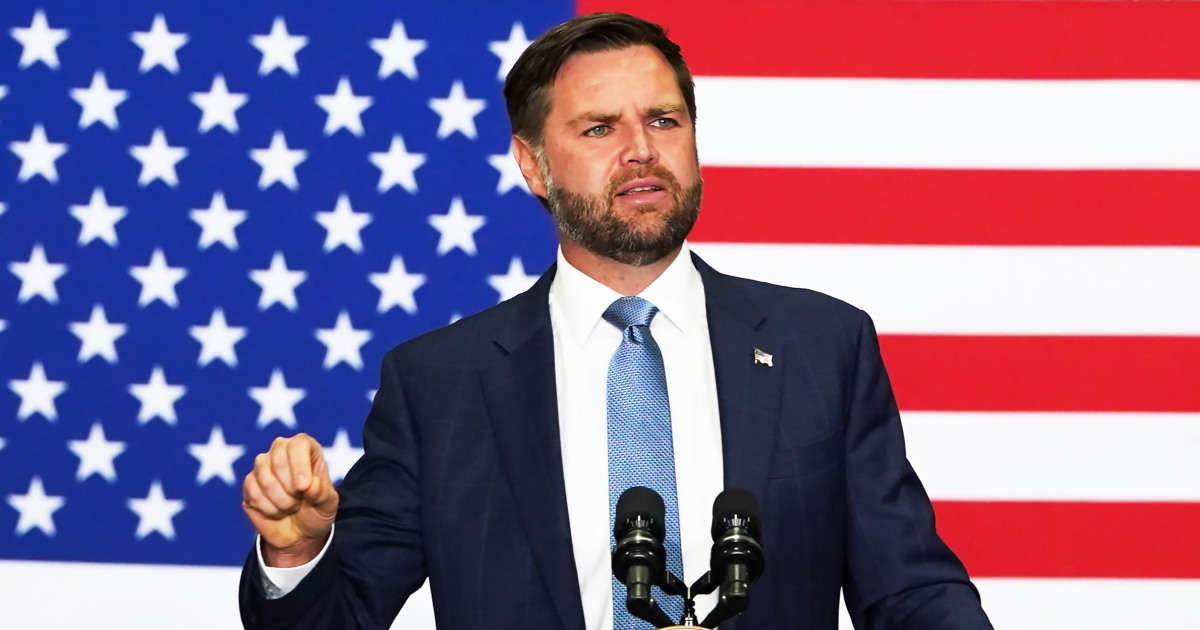



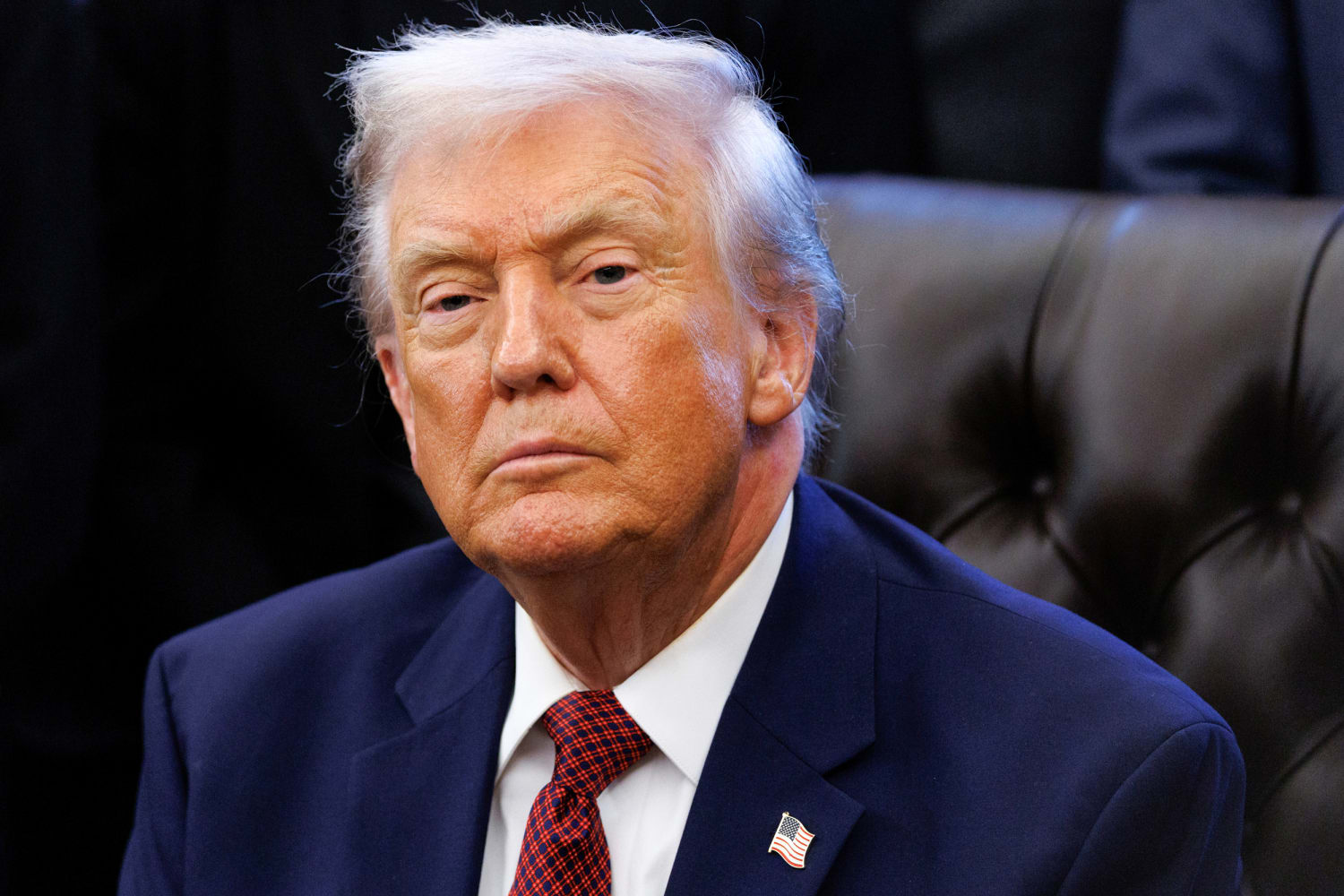
President Donald Trump will travel to Pennsylvania on Tuesday to tout his economic agenda as polls consistently show Americans are concerned about their financial outlooks.
In an October survey by NBC News, nearly two-thirds of respondents said they believed Trump was failing to fulfill his promises to bring down costs and supercharge the economy.
White House officials insist that the president’s policies have bolstered the economy and that he is trying to undo damage done by his predecessor, Democrat Joe Biden. But the trip to Pennsylvania, which a White House official said would be in the northeast part of the state, serves as a subtle acknowledgment that Trump has not sold that case to the American public as effectively as he would like.
“It’s more of a narrative thing than it is a substantive thing. With the trip coming up here, it’s more to reiterate or underscore, ‘Guys, we’ve been working on this since Day 1,’” said the White House official, who spoke on the condition of anonymity to provide a candid assessment of the president’s strategy. “That’s not changing anytime soon.”
Republicans in Congress are increasingly expressing fears that the GOP’s tenuous grip on the House could easily slip away in next year’s midterm elections if the squeeze many Americans are feeling from inflation, interest rates and a tightening job market is not rectified.
“Dozens of members and senators have been voicing concerns for several months to anyone that will listen,” said one Republican strategist who is working on midterm campaigns. The strategist spoke on the condition of anonymity to avoid angering the White House.
The administration’s message on the economy has been inconsistent, with White House aides often highlighting policies they say are helping the economy and the president sometimes calling affordability a “con job” or a “hoax.” The White House official said that when Trump questions the validity of an affordability crisis, he means that Democrats are blaming him for problems that are “entirely of their own making.”
On Wednesday, Trump said he would roll back fuel efficiency standards in a push to bring down prices for cars. His aides also point to policies such as “baby bonds” and efforts to cut prescription drug prices as examples of his commitment to helping Americans make ends meet.
Still, the decision to venture into a politically competitive part of the country to talk about the economy shows a new sensitivity to voter perceptions about the current state of the economy and the future. Democrats who won gubernatorial races in Virginia and New Jersey last month — and a Democratic candidate who lost a House special election by a narrower-than-expected margin — homed in on affordability as the key issue in their races. And the out-of-power party shows no sign of letting up on a drumbeat of criticism that Trump is failing to meet the economic moment.
With subsidies for the Affordable Care Act set to expire at the end of the year, the Democratic Congressional Campaign Committee — the House Democrats’ political arm — is hitting vulnerable members of the GOP for potentially adding to the woes of millions of Americans.
“The clock is ticking for Congress to take action on fixing the Republican health care crisis, but the so-called moderates are refusing to act,” DCCC spokesperson Justin Chermol said in a statement Thursday. “These phonies will be held accountable for their cruelty next year.”